
Jasper National Park is the largest national park in the Canadian Rockies, stretching across almost 11,000 square kilometres of spectacular mountains, glaciers, valleys, forests, waterfalls and lakes.
It’s a place that is close to the heart of many in Canada, especially after the 2024 wildfire. While the fire has changed parts of the park and townsite, it has also highlighted how resilient the landscape and its local residents (including wildlife) can be.
JR and I are big fans of Jasper National Park and have spent countless happy hours exploring the park, from wandering the streets of the townsite to venturing into its more remote backcountry.
We’ve hiked countless trails, paddled Maligne Lake in the snow, watched elk graze near Pyramid Lake, chased waterfalls on the Icefields Parkway, swam in Edith Lake on a hot day and pitched our tent at Whistlers Campground in the rain. And we just keep coming back – there’s still so much to see.
Our recent trip was the longest we’ve spent in Jasper since the 2024 wildfire, giving us a chance to see how some of our favourite places have changed (or not).
This post showcases the best things to do in Jasper National Park in the summer months, the best time for alpine hiking, wildflowers, white water rafting, wildlife watching, scenic drives, and exploring the park’s many lakes, rivers and viewpoints.
At the end of the post, I’ll also share recommendations about where to stay and some suggestions for two, three and four day itineraries.
In partnership with Tourism Jasper. This post includes affiliate links. If you make a purchase through one of these links, we may receive a percentage of the sale.
Jasper National Park
Jasper National Park is located in Alberta, Canada, on the traditional lands of the Anishinabe, Aseniwuche Winewak, Dene-zaa, Nêhiyawak, Secwépemc, Stoney Nakoda, Mountain Métis and Métis (Treaty 6 and 8).
Originally established as a forest reserve in 1907, Jasper is now the world’s largest accessible dark sky preserve. The park borders Banff National Park to the south and Mount Robson Provincial Park (BC) to the west.
Administered by Parks Canada, all visitors to Jasper National Park must have a valid park pass. Being part of the Canadian Rocky Mountain Parks group, a parks pass from Banff is also valid in Jasper.
From 19th June to 7th September 2026, the ‘Canada Strong’ program entitles all visitors to free entry, no park pass needed. There are still fees for camping, guided tours and other additional services.
Outside of this period, park passes can be purchased at the west and east entrance gates, the Parks Canada Information Centre in downtown Jasper, or in the other Canadian Rockies national parks. If you’re visiting for 7 days or more, it is better value to buy a Discovery Pass (annual pass).
Park highlights
- Spectacular mountain and glacier views, even from the highway
- Quieter than Banff, more relaxed vibe
- Choice of incredible day hikes and short strolls as well as multi-day adventures
- Powerful waterfalls, turquoise coloured lakes and the mighty Athabasca River
- Natural hot springs open late, with quiet hours from 10pm to 11pm
- Opportunities to see wildlife, especially bighorn sheep and elk, potentially black and grizzly bears
- Small, walkable townsite with restaurants, shops and service
- Quick access to many locations – so much to see within 20-30 minutes drive of the Townsite
Is it still worth visiting Jasper after the 2024 wildfire?
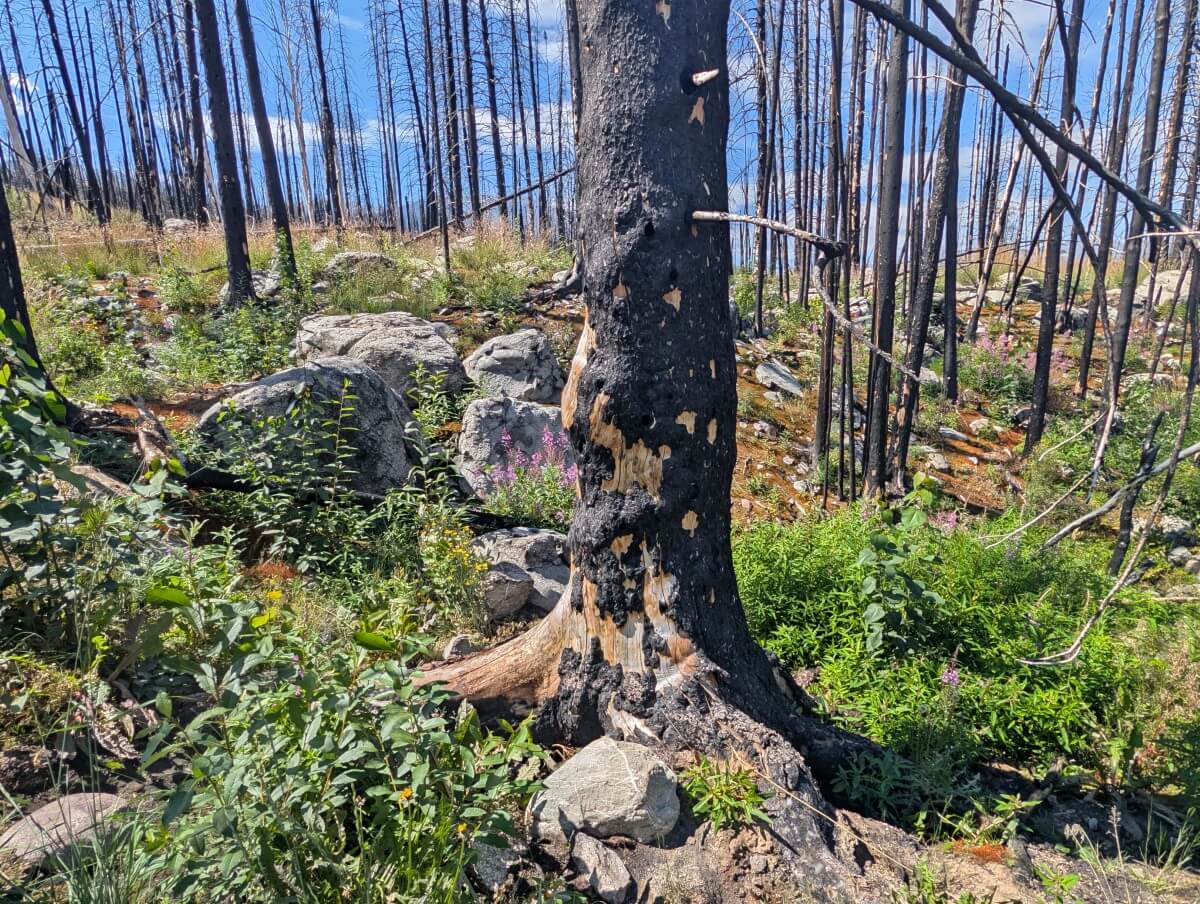
Absolutely! In July 2024, the largest wildfire recorded in Jasper National Park in more than a century burned through an area around the townsite, affecting forests, trails and infrastructure.
I see this question a lot on social media and I understand why. Planning a vacation is a significant investment of both time and money, so naturally, you want to make sure you’re getting the most out of your trip.
It’s important to put the wildfire’s impact into perspective. The fire affected around 33,000 hectares, while Jasper National Park covers approximately 1.1 million hectares. This means that only about 2.9% of the park was affected.

So while the impact is noticeable for the average visitor to Jasper, it doesn’t define the experience of visiting the park. Many of Jasper’s most iconic landscapes remain unchanged. For the record, the majority of the photos in this post were taken in August 2026.
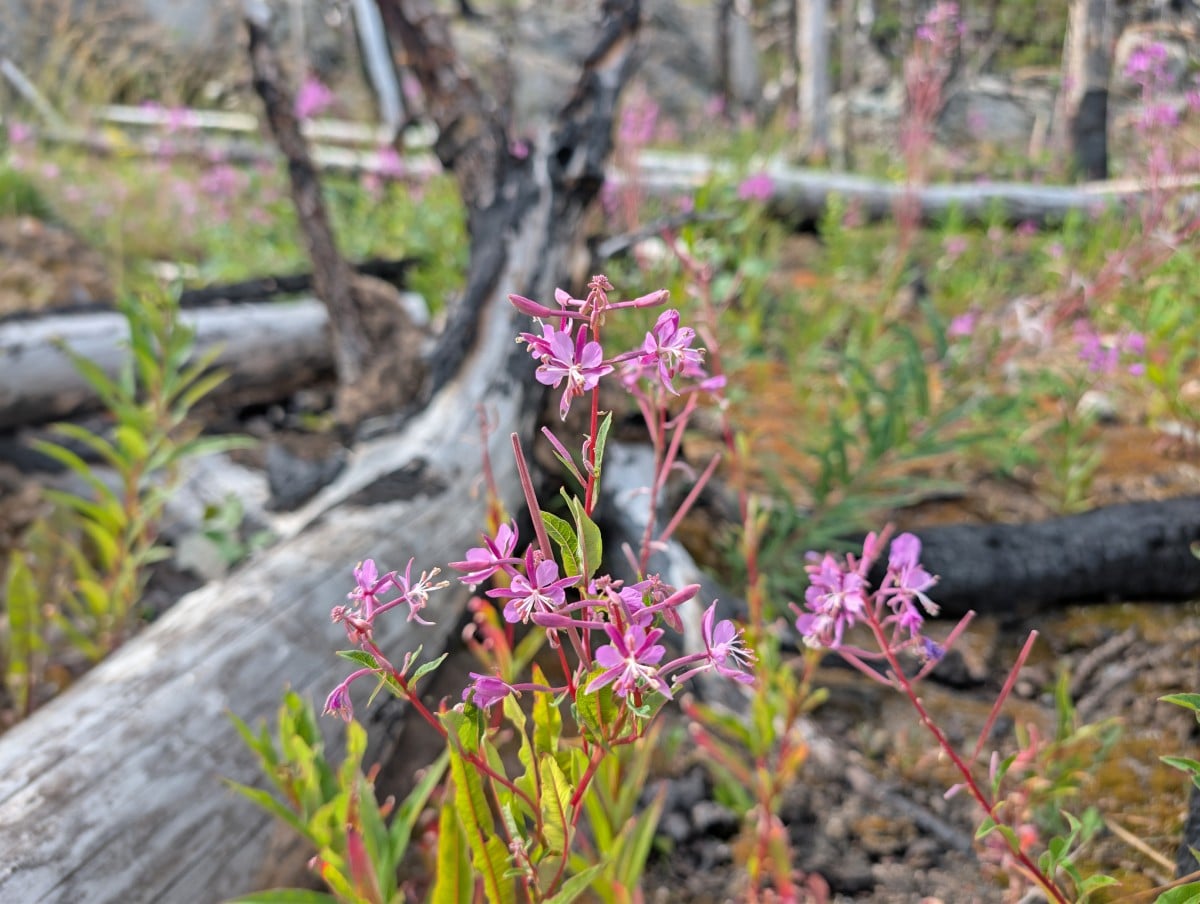
It’s also crucial to remember that wildfires are a natural part of the ecosystem, helping to renew forests and create habitat for new growth. With fewer trees, the landscape has opened up to reveal bigger, more expansive mountain views.
Some other things to keep in mind:
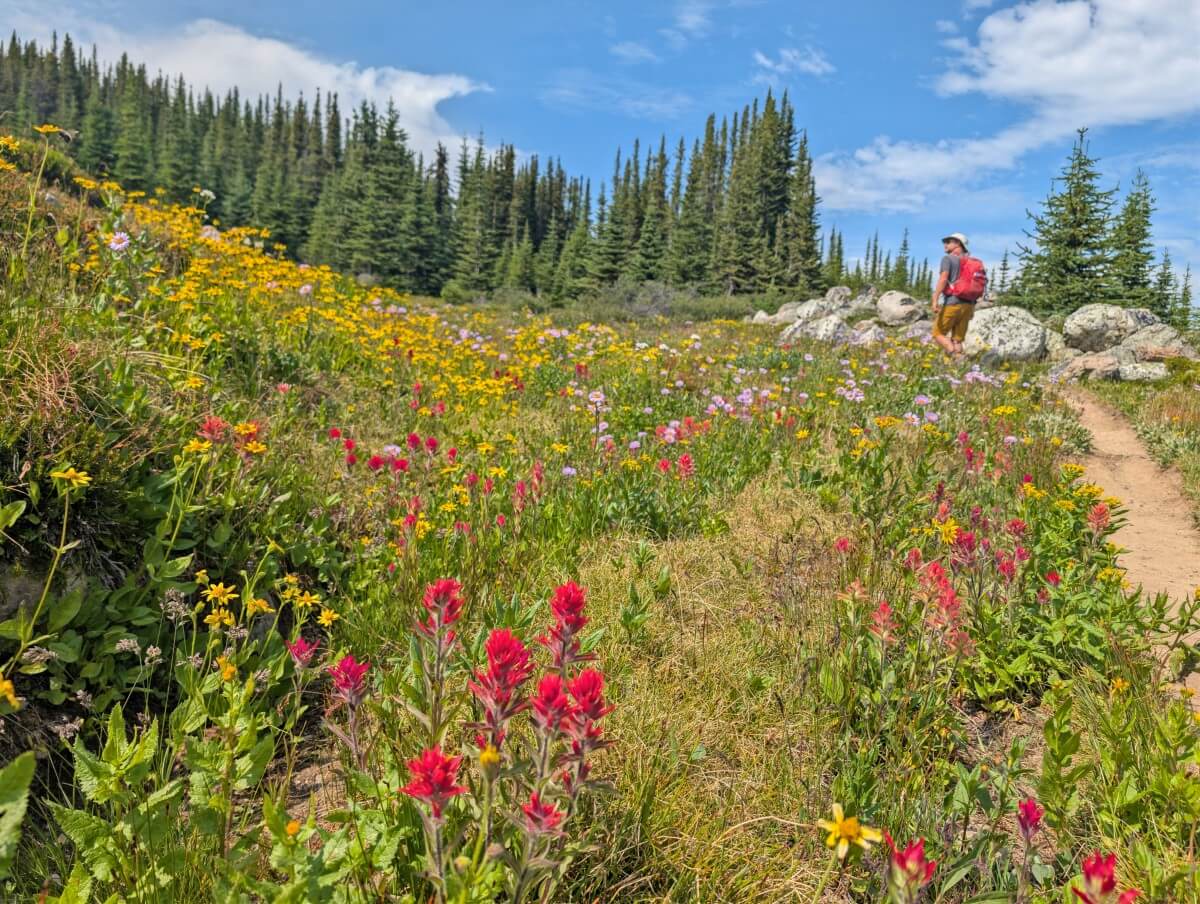
- The increased sunlight and nutrients in the soil encourage an abundance of colourful wildflowers
- Visitors can observe the different stages of regeneration over the coming years – the landscape will be in transition for a long time as the forest moves through different stages of recovery
- Jasper relies heavily on tourism, so visiting is one way to support local people and businesses as the community continues its recovery
Good to know – there are two remaining gas stations in Jasper and they can get very busy during the day. If possible, fill up early in the morning or later in the evening. Jasper’s accommodation inventory was reduced by 20%, so be sure to reserve early.
Best things to do in Jasper National Park
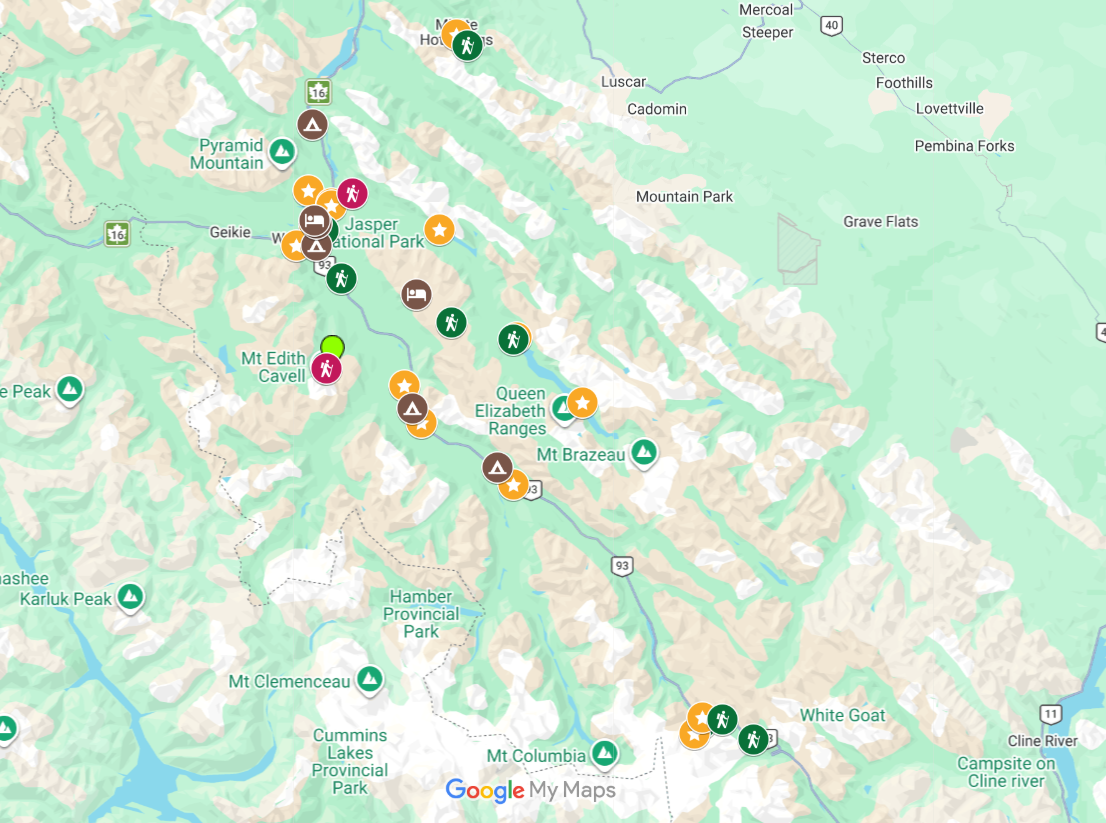
Ready to explore Jasper? This list of things to do in Jasper National Park is roughly organised by distance from the townsite. I’ve also started with the most accessible locations, moving on to the more adventurous options later in the guide.
A few things to know before planning your trip:
- The more remote areas of Jasper have no signal. Tell someone where you’re going and when you plan to be back, especially if hiking
- Download maps and any other information you need before leaving the townsite
- Be aware of wildlife (make noise, know what to do if you see a bear, carry bear spray on hikes)
- Leave No Trace – dispose of trash properly, stay on trails, follow signage
Jasper Townsite
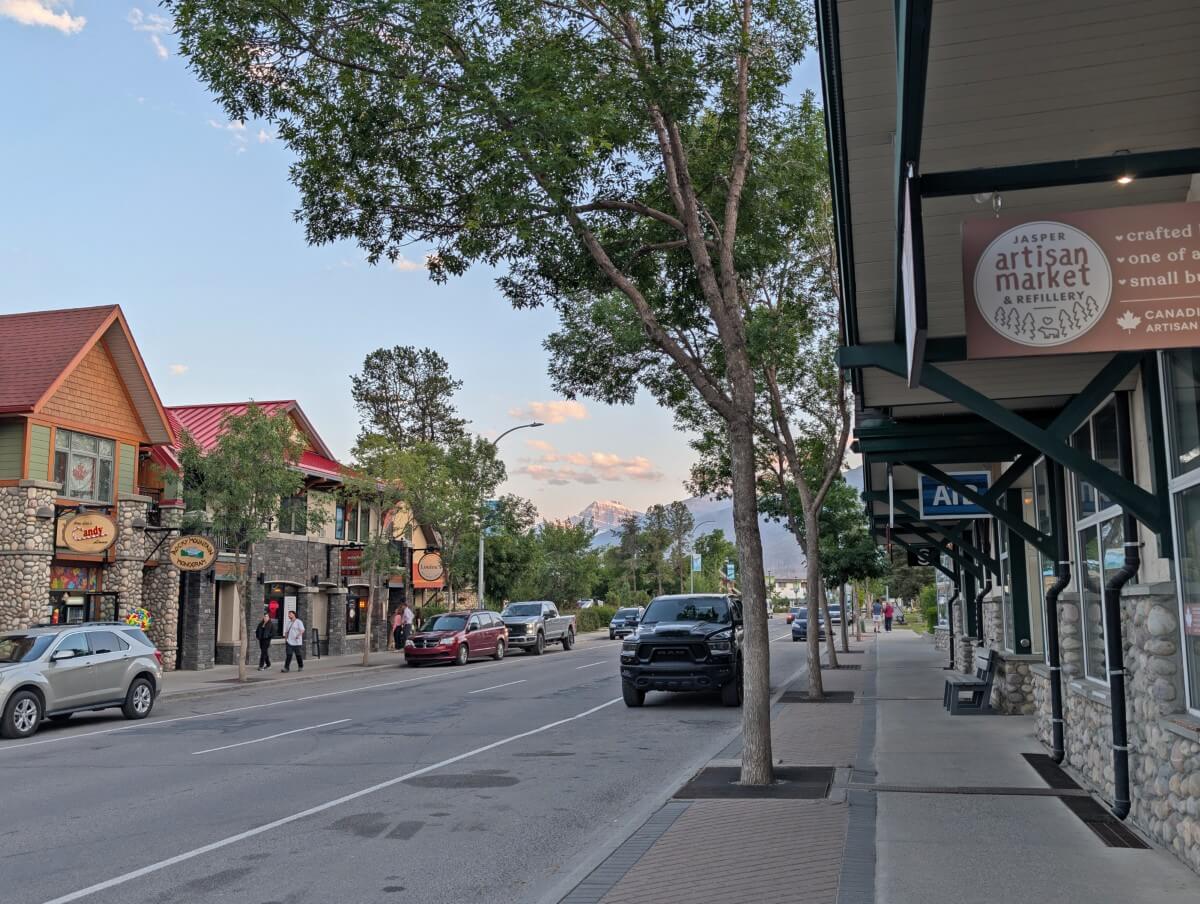
Jasper’s compact townsite is easy to explore on foot, with mountain views in almost every direction. Note that the western side of town is still under reconstruction.
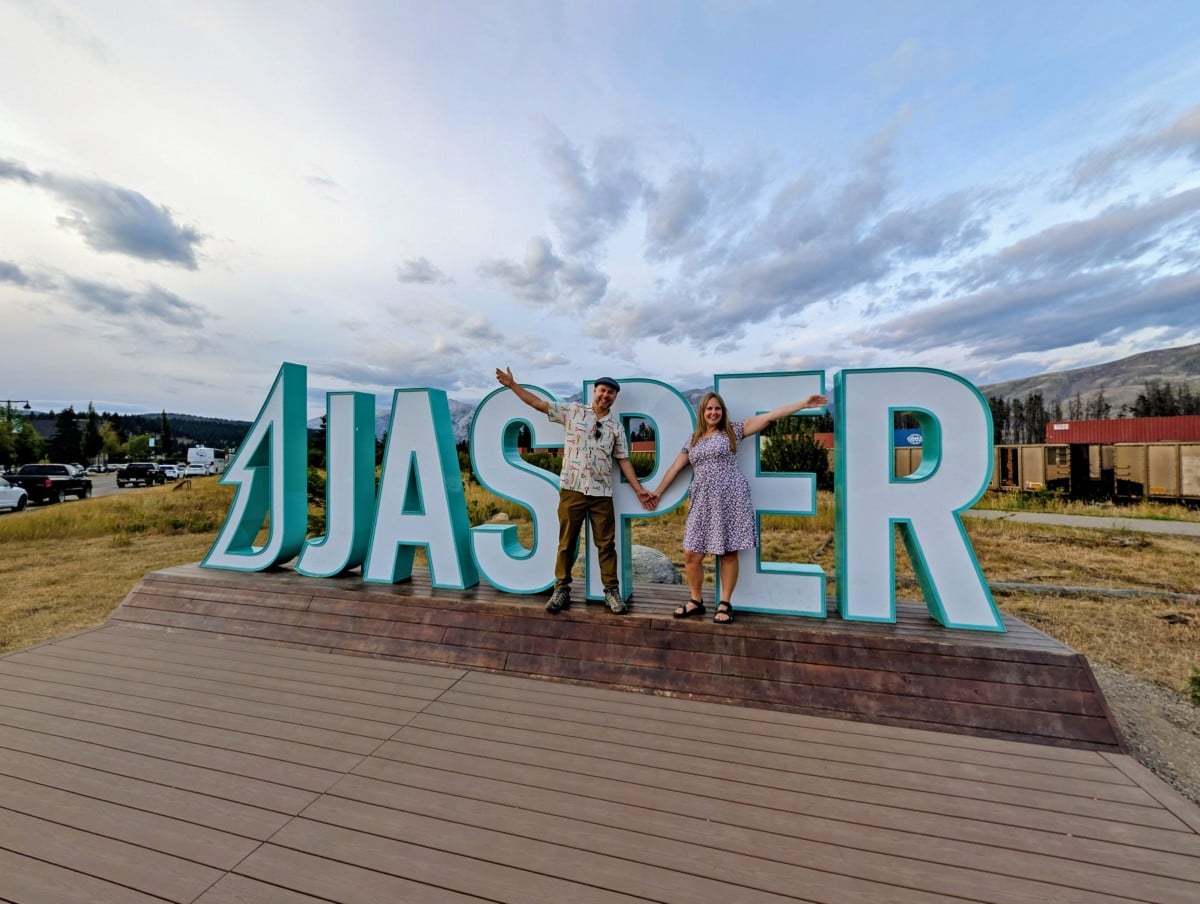
Besides strolling along the streets and browsing the shops, I like to visit the heritage railway station, see the 13.7m high Two Brothers totem pole and take a look at the historic 6015 steam engine. The iconic Jasper sign can be found at the corner of Aspen Avenue and Connaught Drive.
Otto’s Cache Provisions is our top pick for breakfast or brunch, with high quality ingredients, creative dishes and a relaxed atmosphere. Olive Bistro has a great patio, an extensive menu and satisfying portions of tasty food. Bear’s Paw Bakery is a local favourite for coffee and treats.
Pyramid Lake
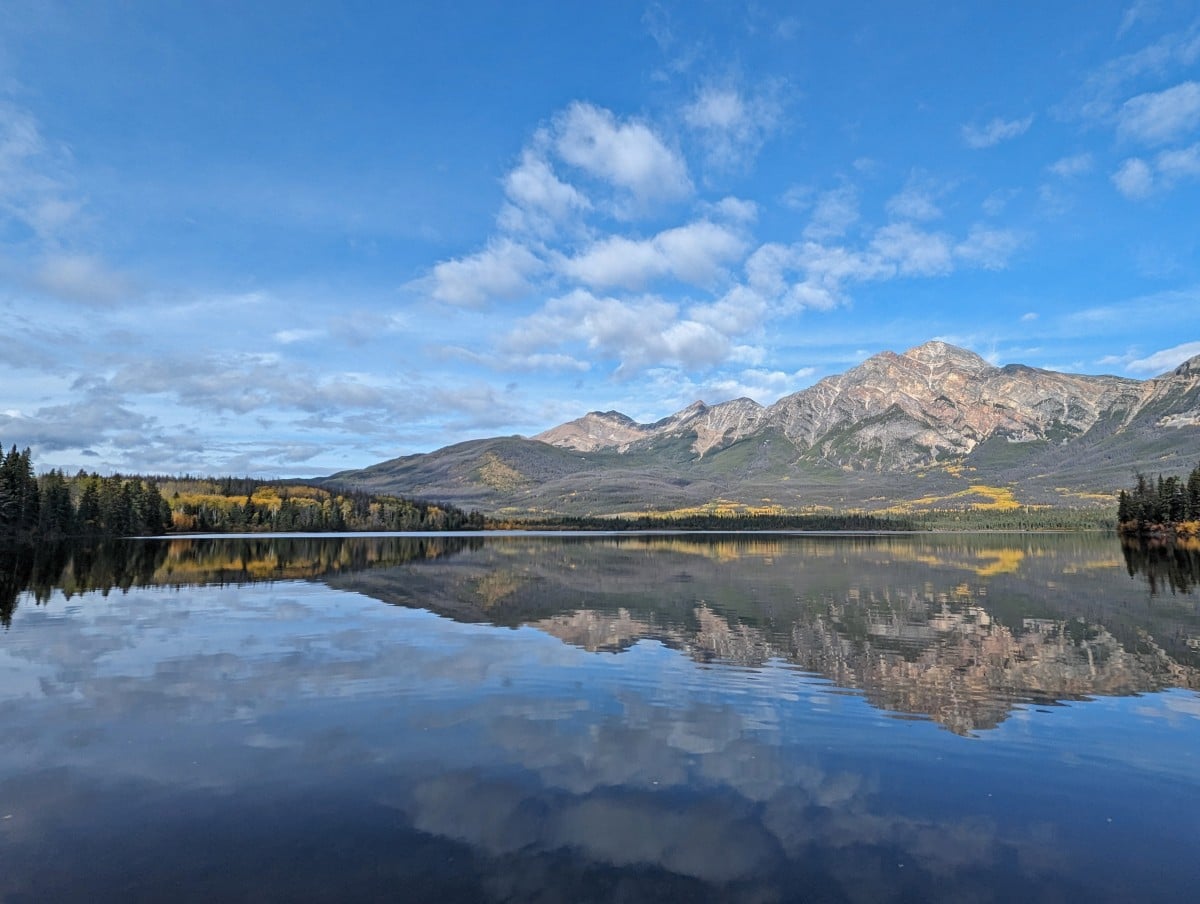
Backdropped by the distinctive mountain of the same name, Pyramid Lake is a peaceful spot close to Jasper. The access route, Pyramid Lake Road, remains one of my most reliable spots for seeing elk in the park, especially early in the morning.
This narrow and winding 7.5km long road also passes Patricia Lake, a smaller lake with more beautiful views of Pyramid Mountain.
Once at Pyramid Lake, take a walk around Pyramid Island, a tiny but picturesque spot connected to the shore by a boardwalk bridge. You’ll also find a rustic shelter here, a Federal Heritage Building constructed in 1933. Pyramid Island is a popular wedding ceremony destination.
Old Fort Point Loop hike and viewpoint
Not far from downtown Jasper is the Old Fort Point Loop. This 3.8 km hike winds through a young forest growing back after the fire before climbing to the top of a prominent bedrock hill overlooking the Athabasca River.
For such relatively low effort, it is a rewarding hike, with great views of the surrounding landscape and the Jasper Townsite. It provides an interesting opportunity to see the forest’s post-fire recovery.
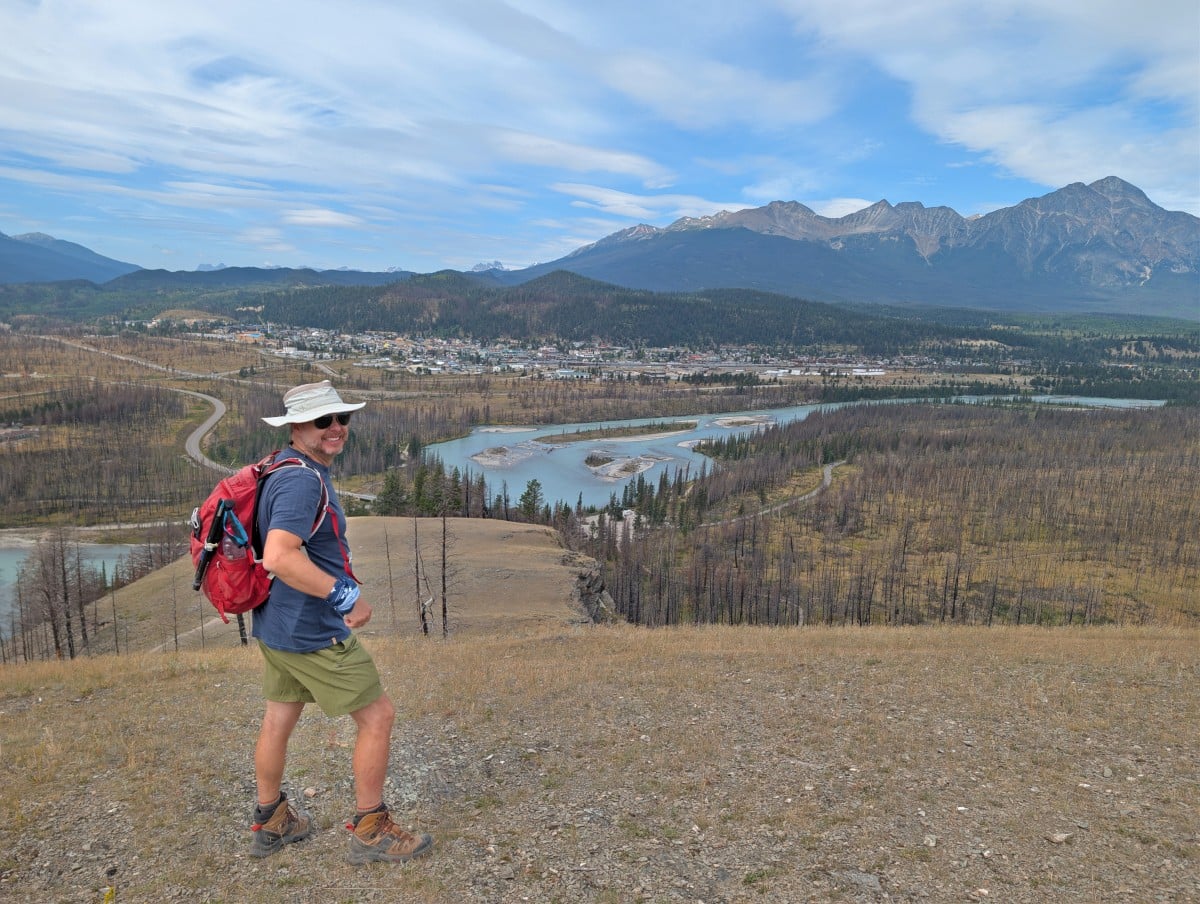
This trail can be explored independently or on the Wildfire Peak-Nic tour. This unique guided hike offers an immersive experience in the regenerating forest, with interpretation exploring the impacts of the 2024 wildfire alongside insights into the area’s geology, wildflowers and wildlife.
Our tour was led by Nic, who explained that the forest was actually quite unhealthy before the fire. The dense canopy blocked sunlight from reaching the forest floor, leaving little food for wildlife.
The fire has reset this balance, creating new opportunities for plants and wildlife to return and thrive. The finale was a delicious, locally made lunch at the viewpoint.
Edith and Annette lakes
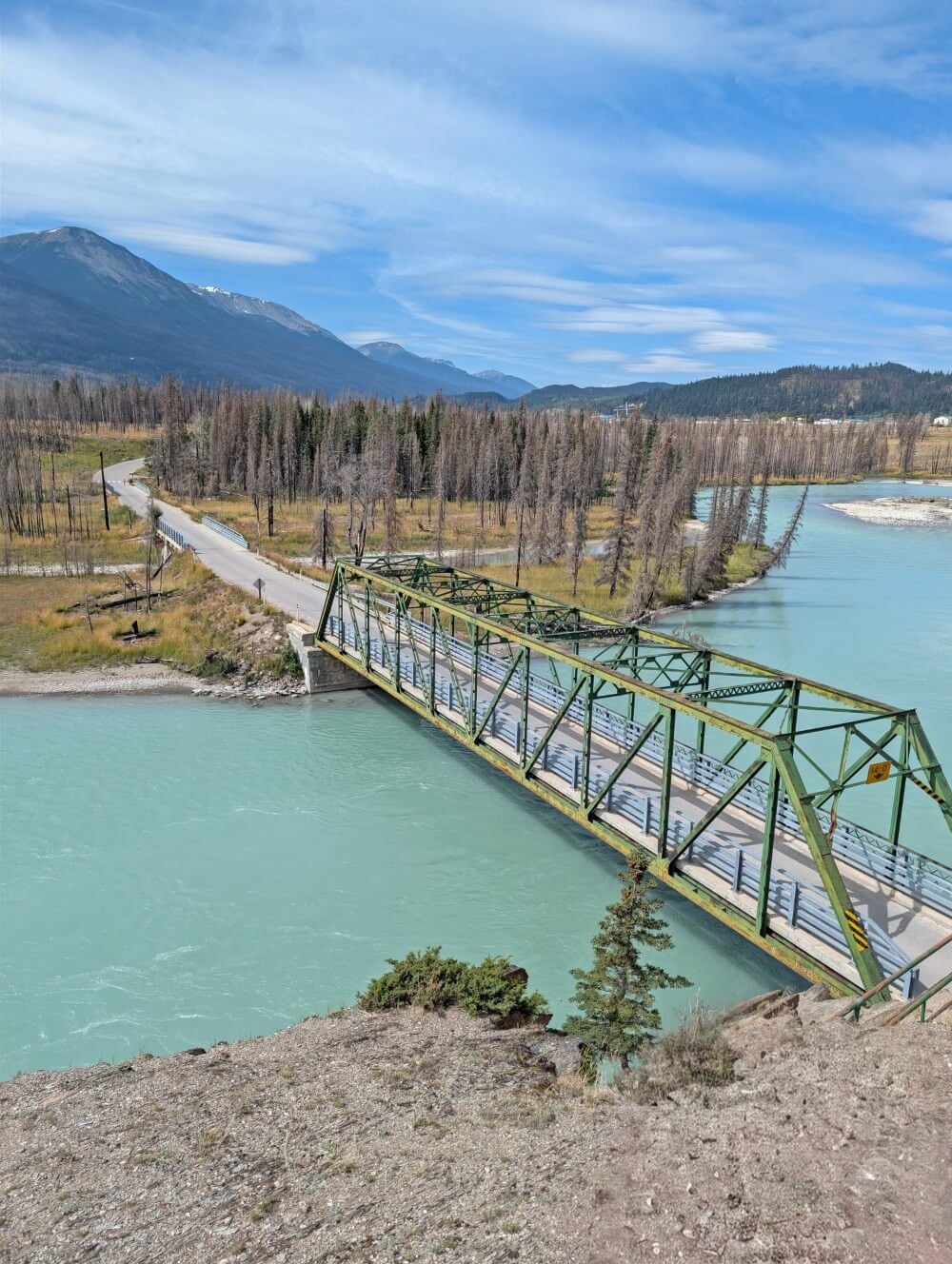
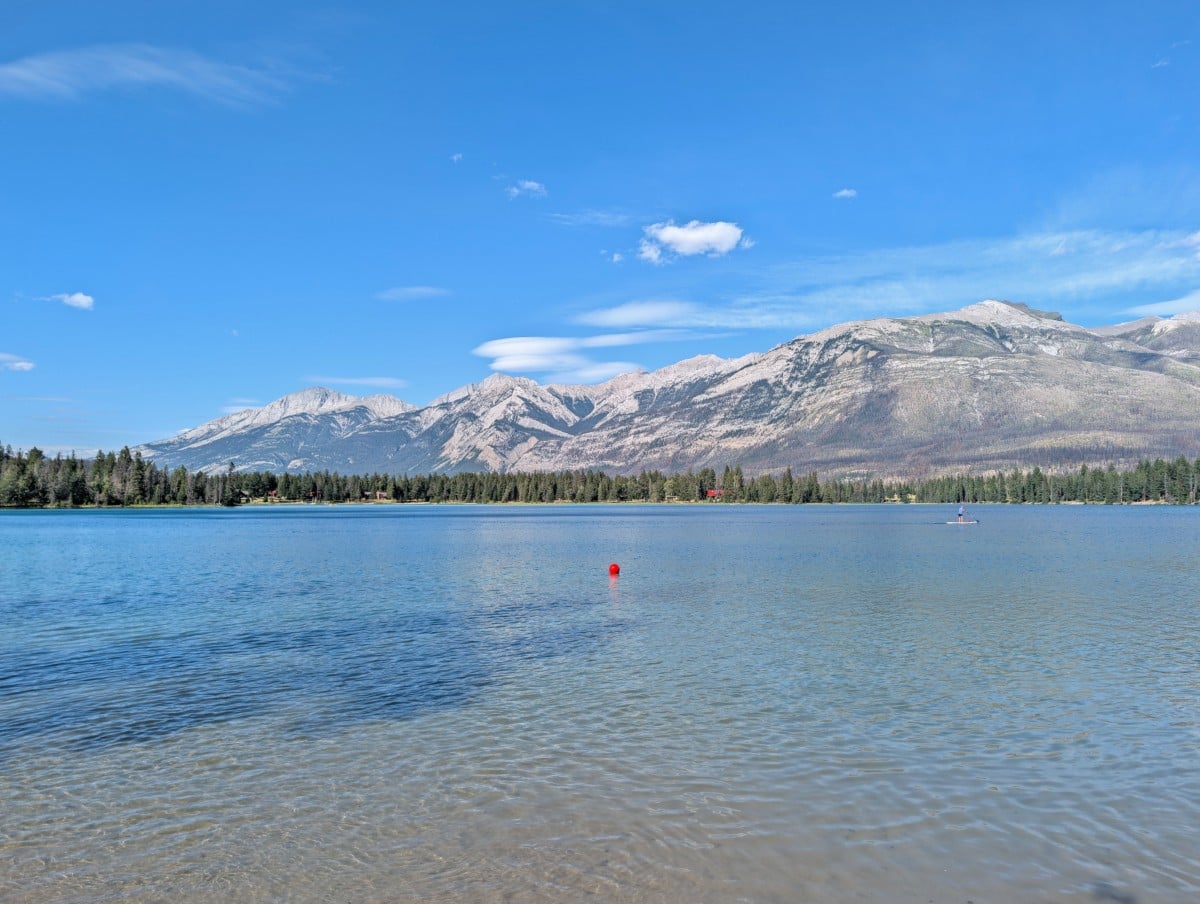
Glacier-fed Edith and Annette lakes are only a few kilometres from the Jasper townsite. Backdropped by mountains, both offer sandy beaches, clear water and easy opportunities for swimming, paddling and relaxing by the shoreline.
Lake Edith is usually a bit quieter than Lake Annette, which has a larger beach. SUP rentals are available at Lake Edith and include a mini lesson. Keep in mind that the parking is limited at both lakes and it can be hard to maneuver in the small lots. Large RVs are not permitted.
Temperatures reached 26°C during our August visit, so after a hot hike, cooling off in the water was very welcome!
Valley of the Five Lakes Trail
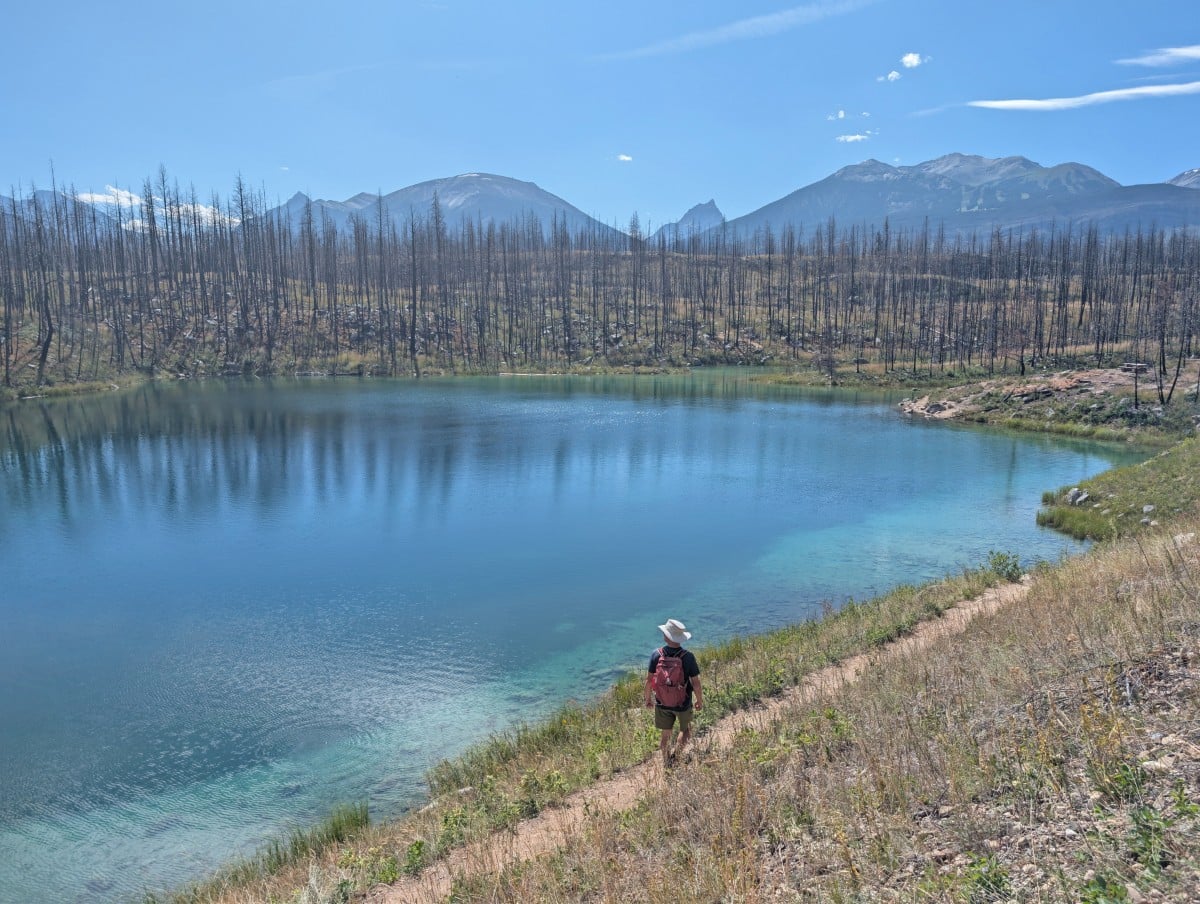
The Valley of the Five Lakes Trail recently reopened after being closed due to the wildfire. A 4.8km loop trail winds through the regenerating forest to five small lakes. Each has a distinctive colour, ranging from emerald to turquoise.
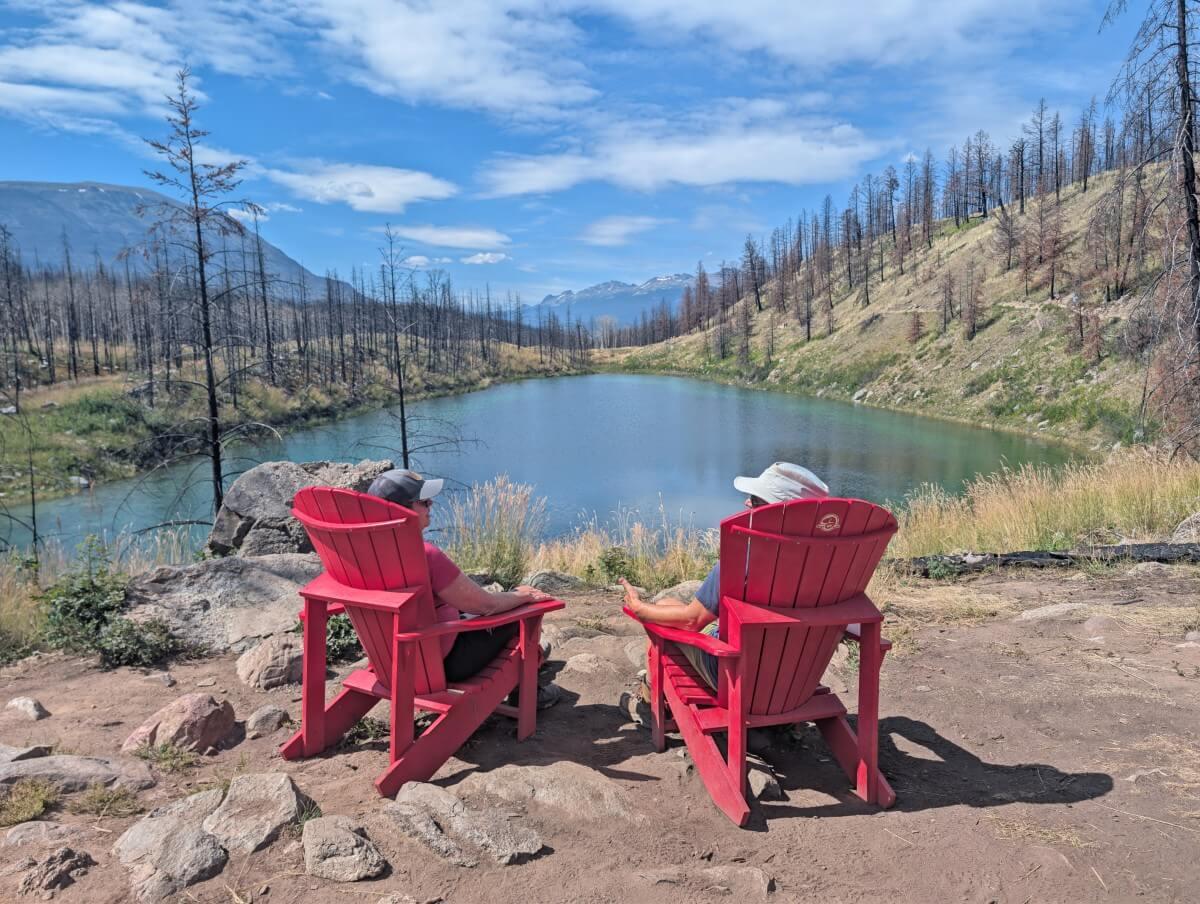
This well-established Jasper favourite now offers wide-open views of the lakes and surrounding mountains from many sections of the trail. It has a few short, steep sections and some steps, making it an easy to moderate hike.
Something to keep in mind while hiking the Valley of the Five Lakes is how hot it can get in the middle of the day. There is very little shade, so be sure to bring a hat, sunscreen and water. Allow 1.5 to 2 hours, longer if you plan to swim. Note that some of the lakes are colder than others!
Athabasca Falls and Sunwapta Falls
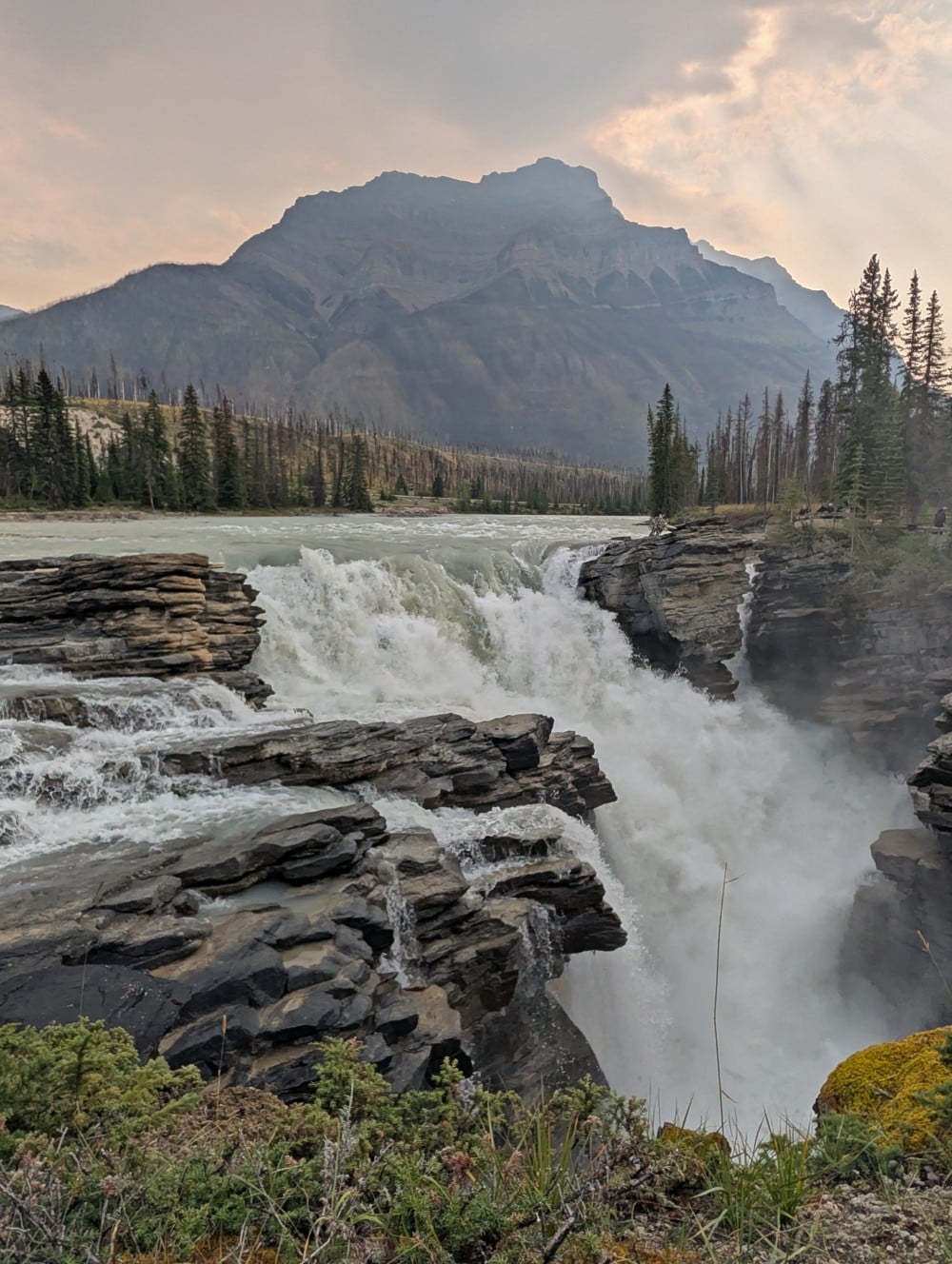
Athabasca Falls is one of the most powerful waterfalls in the Canadian Rockies and it’s just 25 minutes drive from Jasper. The accessible, family-friendly trail offers half a dozen different viewpoints of this 24m high waterfall backdropped by Mount Kerkeslin.
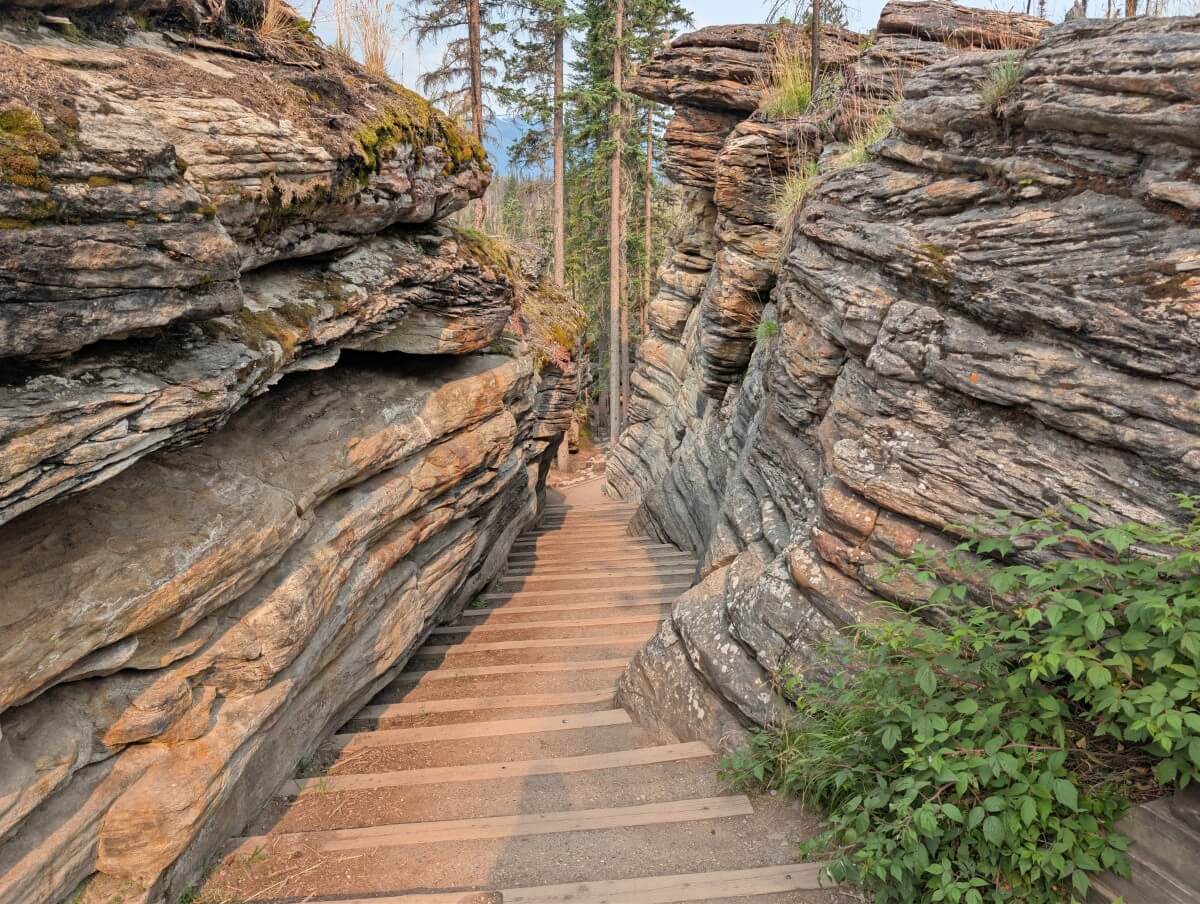
One of my favourite places to see Athabasca Falls isn’t actually the waterfall. A short side trail descends through a narrow gorge that was once an ancient channel of the Athabasca River. The rugged rock walls have been shaped by centuries of rushing water.
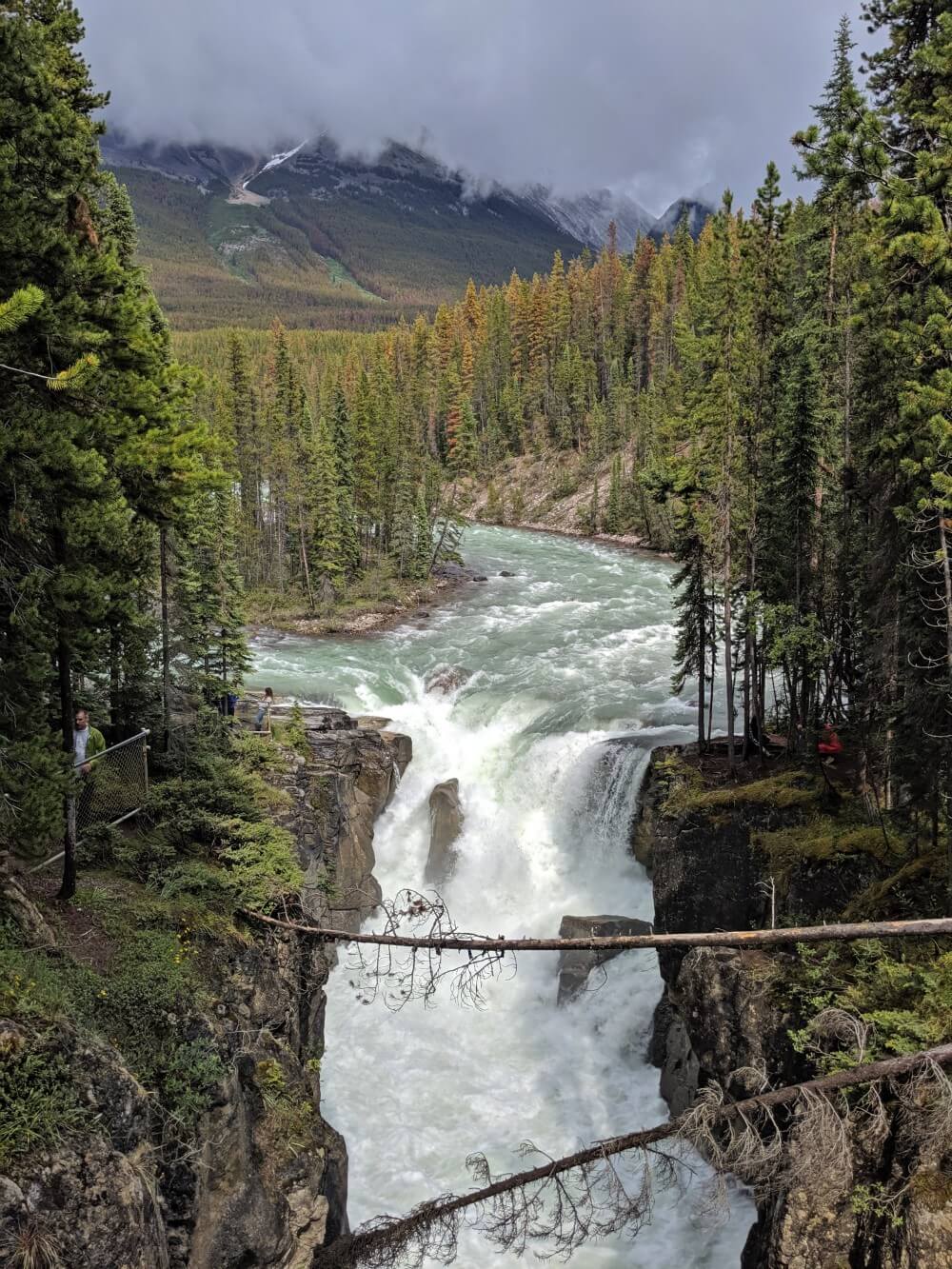
Another impressive waterfall to visit in Jasper National Park is Sunwapta Falls, where the river plunges into a deep limestone gorge. The name Sunwapta comes from the Stoney language and means “turbulent water.” The upper falls are the easiest to access, just a short walk from the parking area.
Athabasca Falls and Sunwapta Falls are just two spectacular places to visit along the Jasper National Park side of the Icefields Parkway. Find more suggestions a little later in this guide.
Maligne Lake
At 22.5km, Maligne Lake is the largest natural lake in the Canadian Rockies. Carved by glaciers, it stretches through a dramatic valley surrounded by towering mountain peaks. Towards the southern end, the water takes on a striking turquoise hue, thanks to the fine rock flour from the glaciers.
One of Canada’s most photographed destinations, Maligne Lake draws millions of visitors each year. Many explore the lake via Maligne Lake Cruise, which offers daily summer boat tours to Spirit Island, just over halfway down the lake.
Technically a peninsula, or tied island, this small, forested landform is the centrepiece of one of Canada’s most iconic views and a place of deep spiritual significance for local Indigenous peoples.

Another way to explore Maligne Lake is by canoe or electric boat. Rent a canoe for the day or paddle to one of the three shoreline campgrounds (reservations required). In my opinion, it’s the best way to experience Spirit Island and this spectacular lake to the fullest. Head to our Maligne Lake paddling guide for details.
Allow about an hour for the 50km drive from Jasper to Maligne Lake. Watch for wildlife, especially elk, and stop at Medicine Lake for the views. At Maligne Lake, walk the shoreline, rent a canoe or take a boat tour. For a hike, check out the 14km return moderate level Bald Hills Trail.

Miette Hot Springs
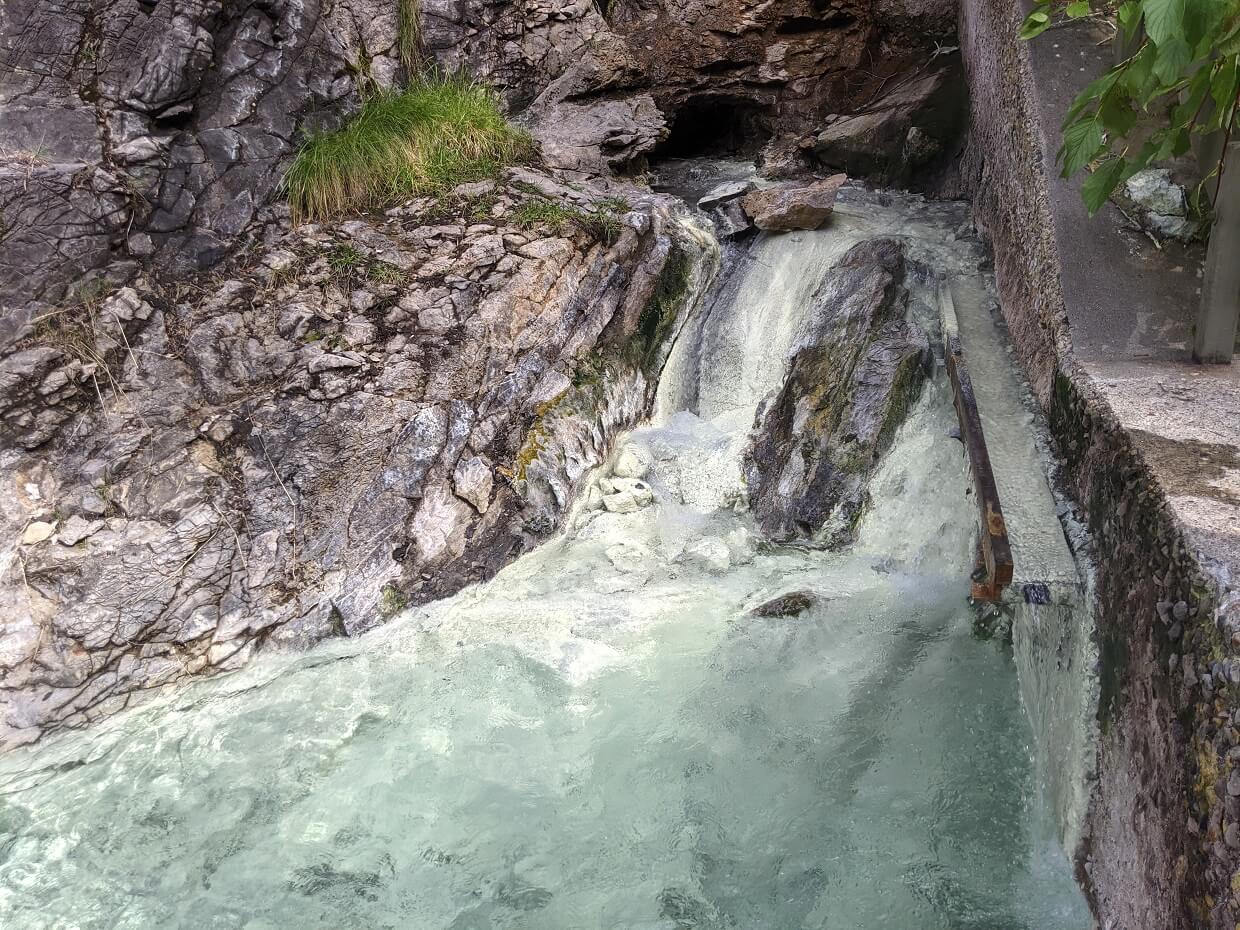
Miette Hot Springs are the warmest hot springs in the Canadian Rockies, making them well worth the drive from Jasper Townsite after a day of hiking or whenever you want to relax and soothe tired muscles.
Combine the hot springs with a hike on the Sulphur Skyline Trail (below) as well as a walk along the Source of the Springs Trail (1.2km return). The latter follows the creek, beyond the ruins of the old pool building.
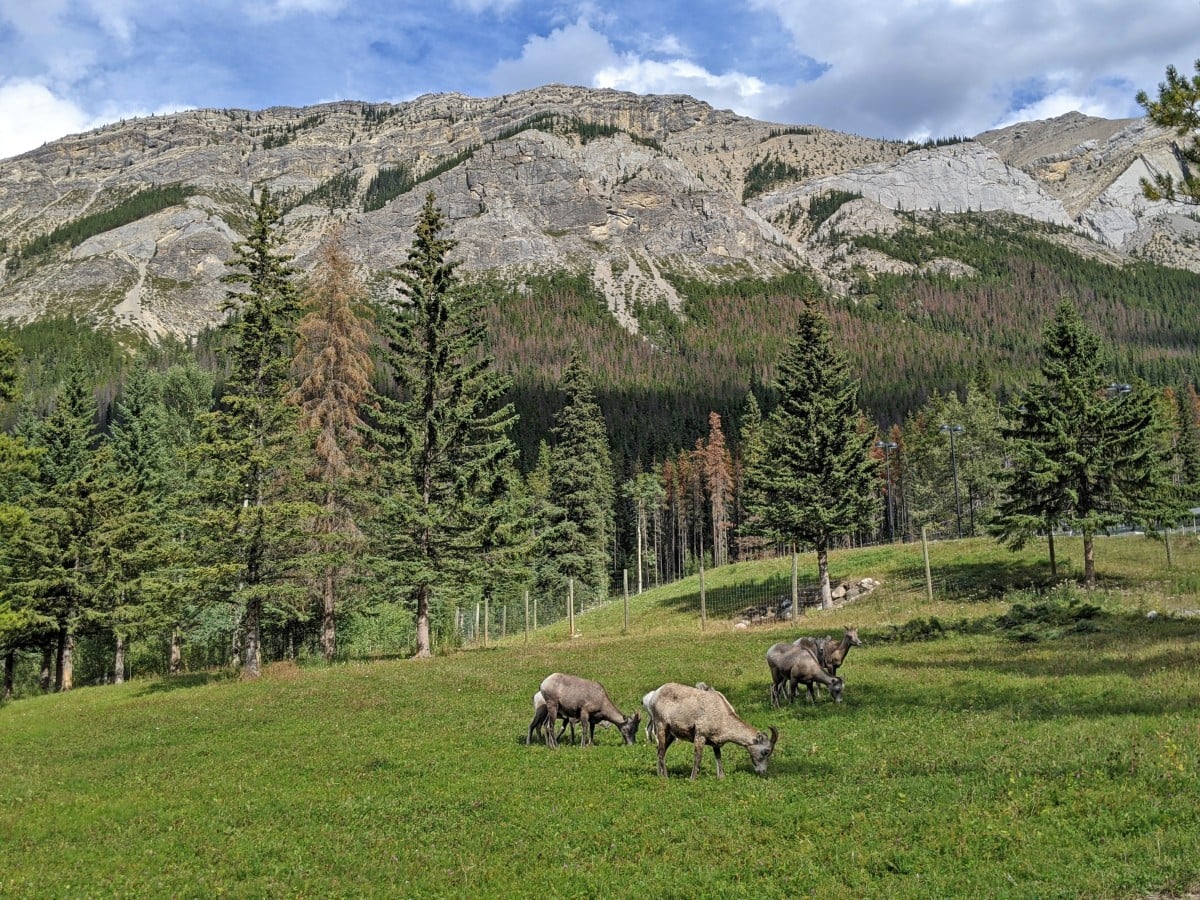
A trip to Miette Hot Springs offers a chance for wildlife watching too. Bighorn sheep often gather in the parking area, hoping to lick salt from the underneath of the parked vehicles. Remember to watch from a distance, giving them plenty of space.
Sulphur Skyline Trail
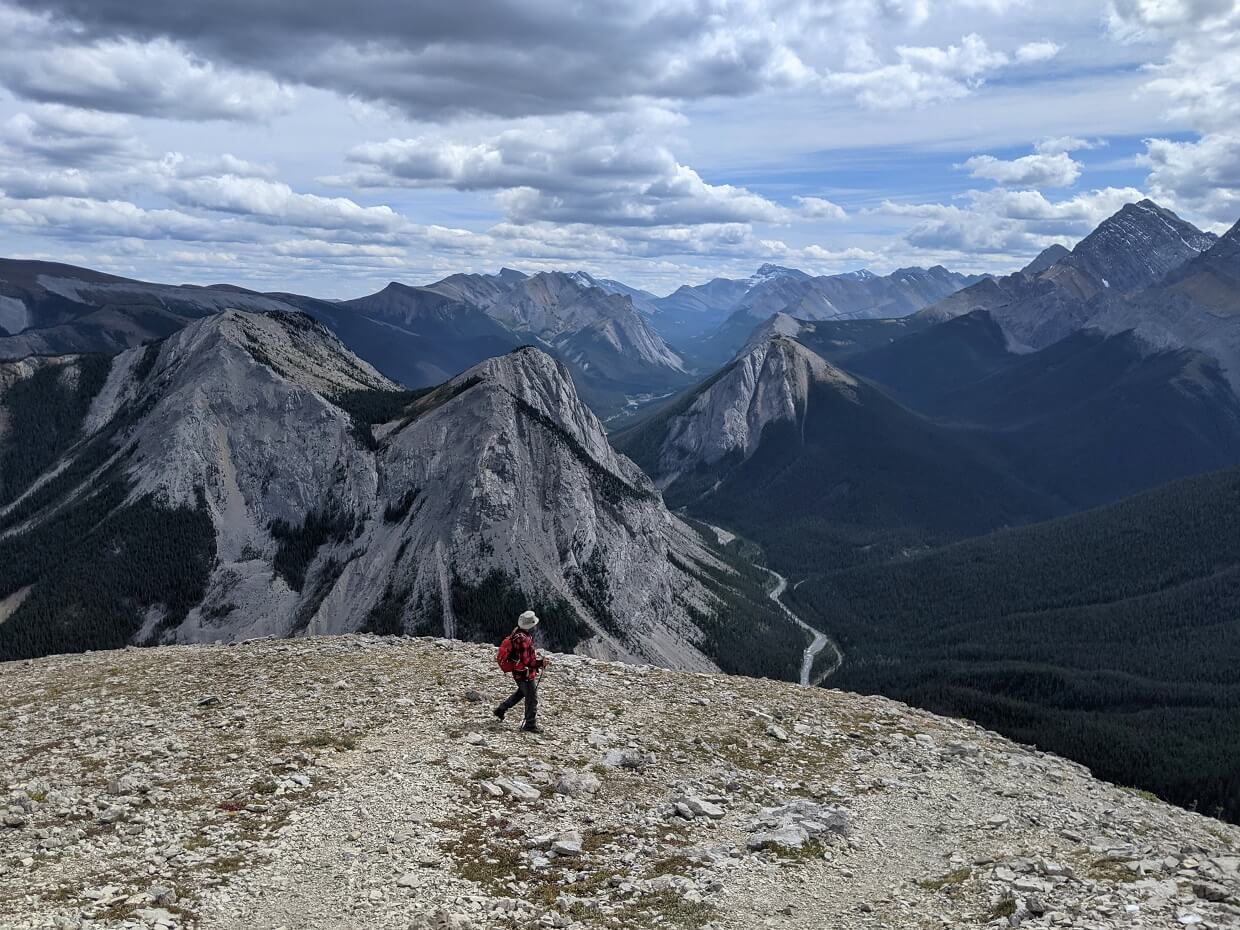
The Sulphur Skyline Trail, in my opinion, offers the best ‘bang for buck’ hiking experience on the eastern side of Jasper National Park.
Climbing 700m in elevation over just 4km, it’s definitely a bit of a workout, but the 360 degree mountain panoramas at the top are worth it! Allow around 3 hours for the 8km return hike.
Not to be confused with the multi-day Skyline Trail (more about that below), the trailhead for the Sulphur Skyline is located behind Miette Hot Springs. This makes it the ideal hike to pair with a relaxing soak in the hot springs afterwards.
Athabasca Glacier
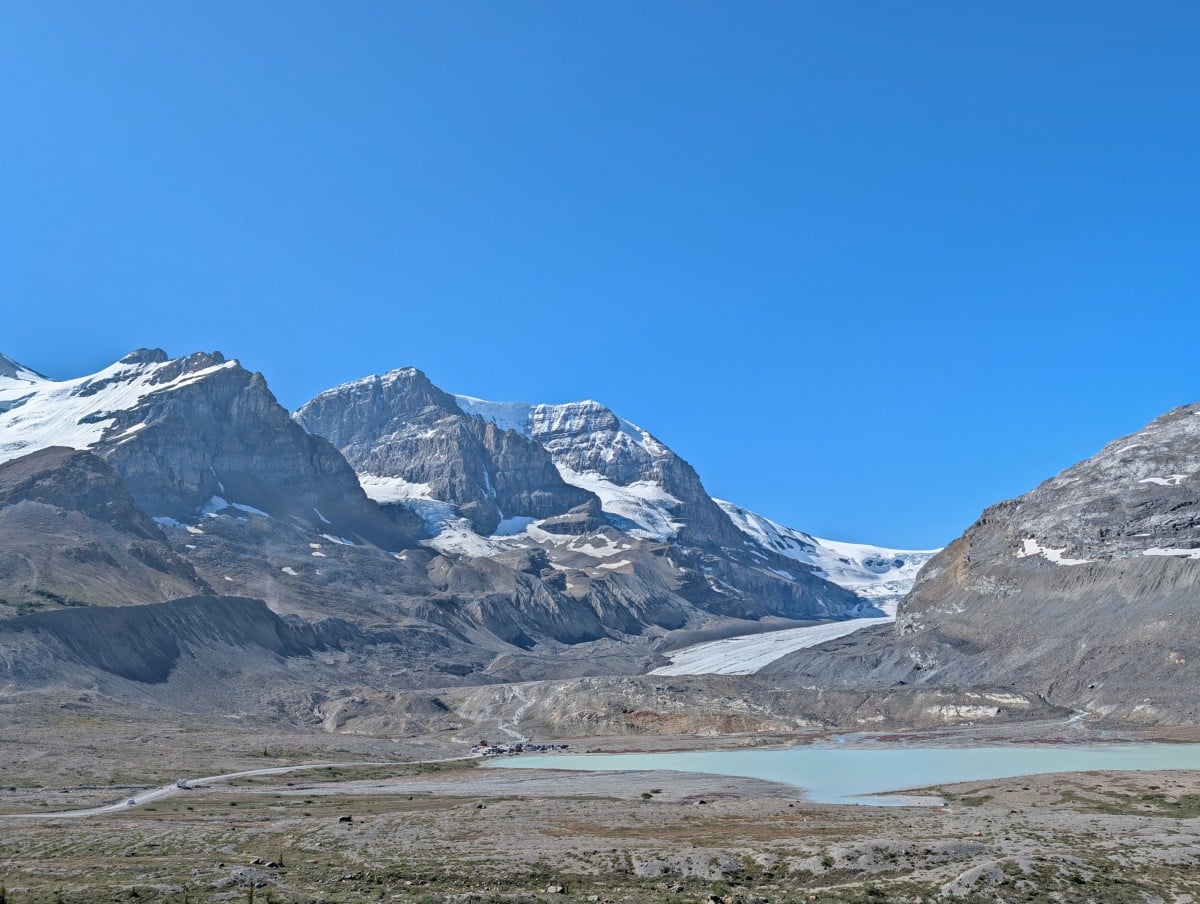
The Athabasca Glacier provides a dramatic entrance into Jasper National Park along the Icefields Parkway. Part of the immense Columbia Icefields, the Athabasca is one of the most accessible glaciers in the Canadian Rockies.
Until recently, I thought the only way to safely walk on the glacier was to join one of the bus tours operated by Pursuit. As it turns out, that is not the case!
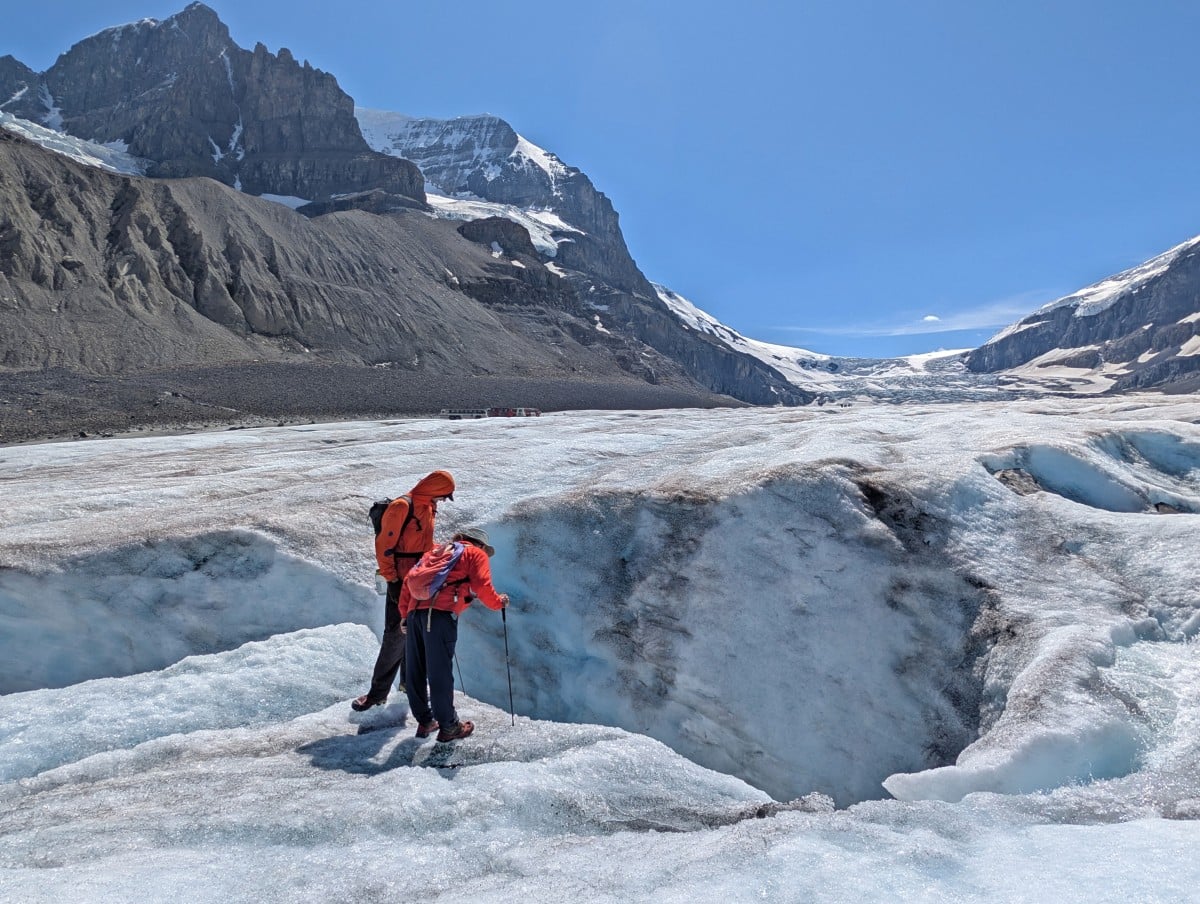
Two guiding companies offer tours on the ice, both with a focus on sustainability and minimizing their impact on the glacier.
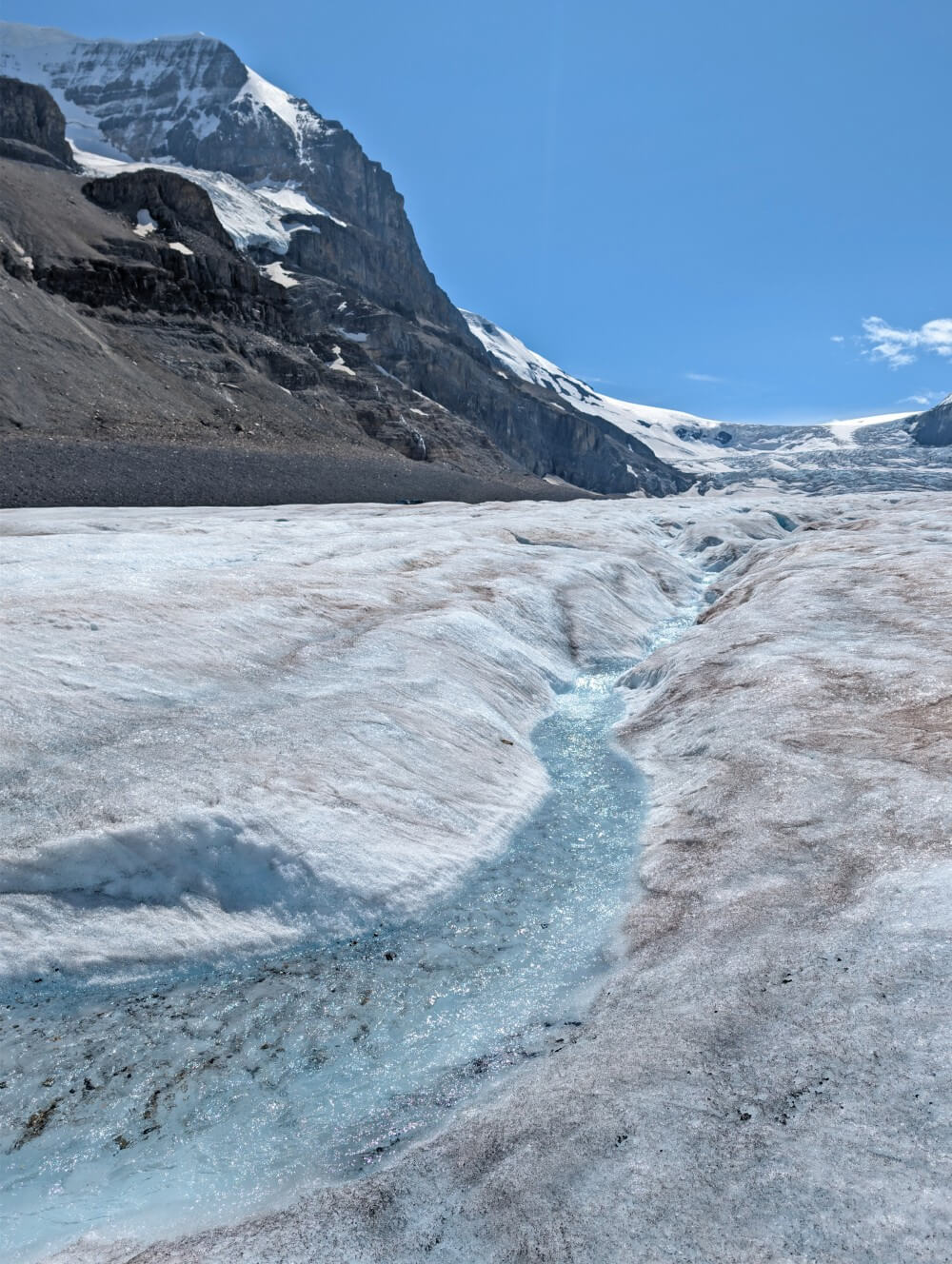
We joined one of Rockaboo Mountain Adventures‘ small group Tread Lightly Tours, which combines a glacier hike with a closer look at the science behind the landscape. Along the way, we were able to get close to deep crevasses, millwells (well-like shafts) and bright blue drainage channels while learning about the glacier’s changing landscape and geology. An amazing experience!
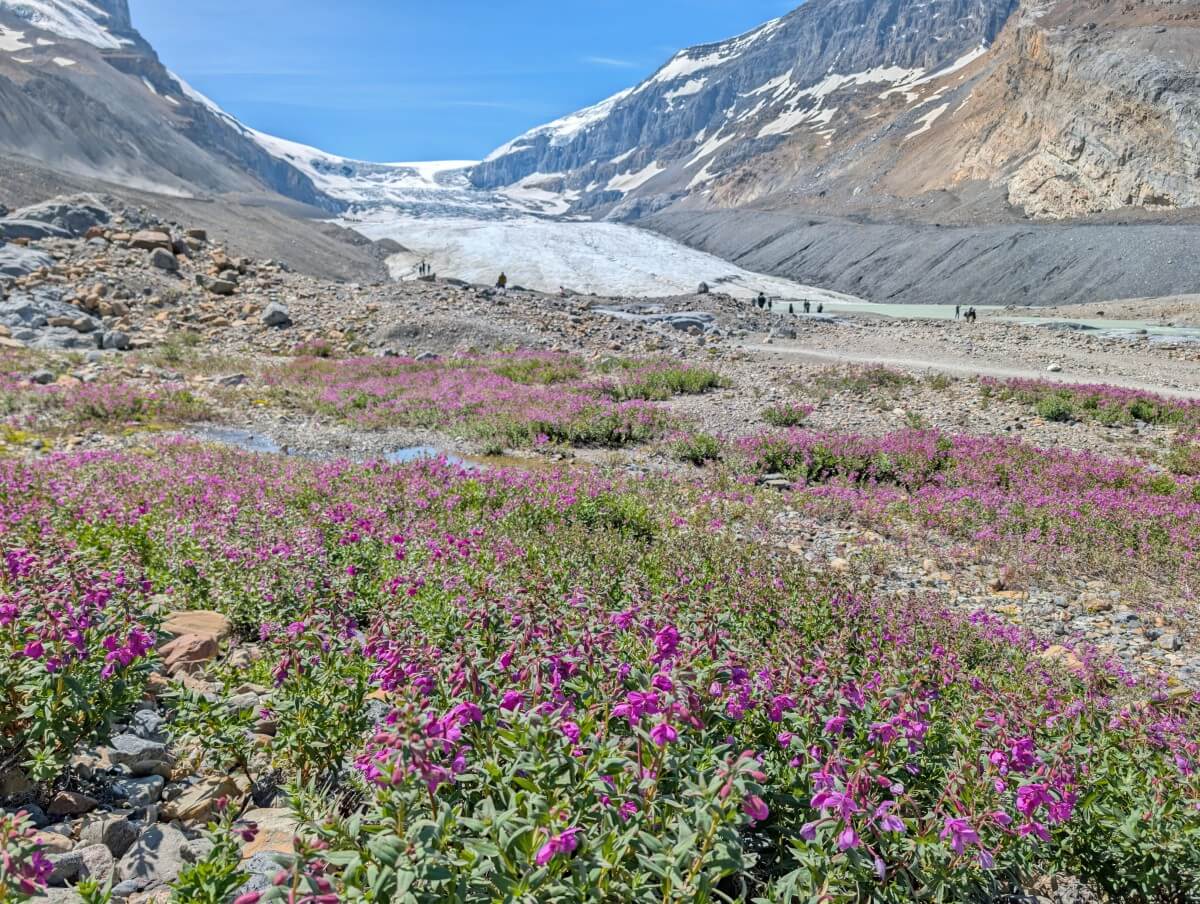
The Icefields Parkway
While many visitors to Jasper arrive or depart via the Icefields Parkway, it would be an oversight not to mention this spectacular scenic drive within this guide!
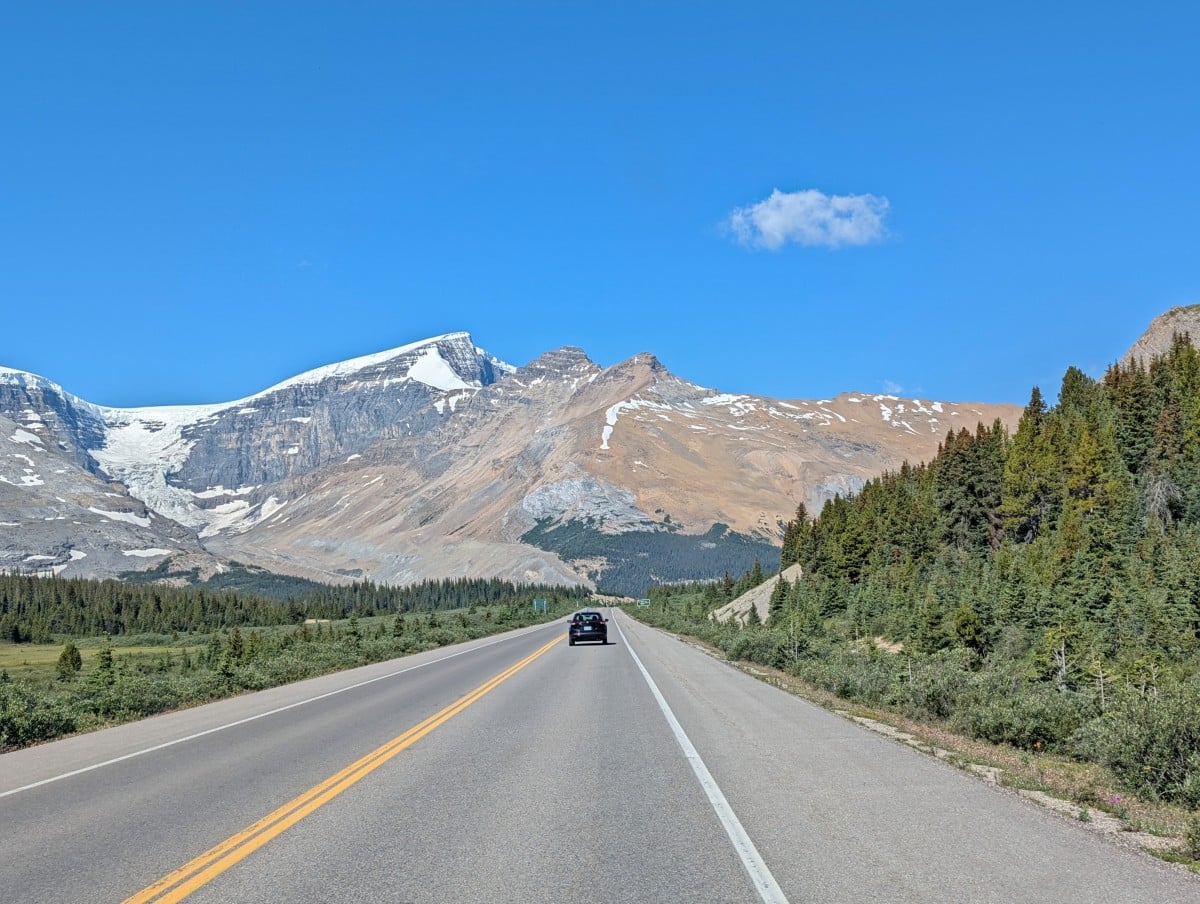
The Icefields Parkway stretches 232km between Jasper and Lake Louise, winding through some of the most impressive scenery in the Canadian Rockies. Huge peaks and glaciers line the road, alongside turquoise lakes, rushing rivers, waterfalls, canyons and more.
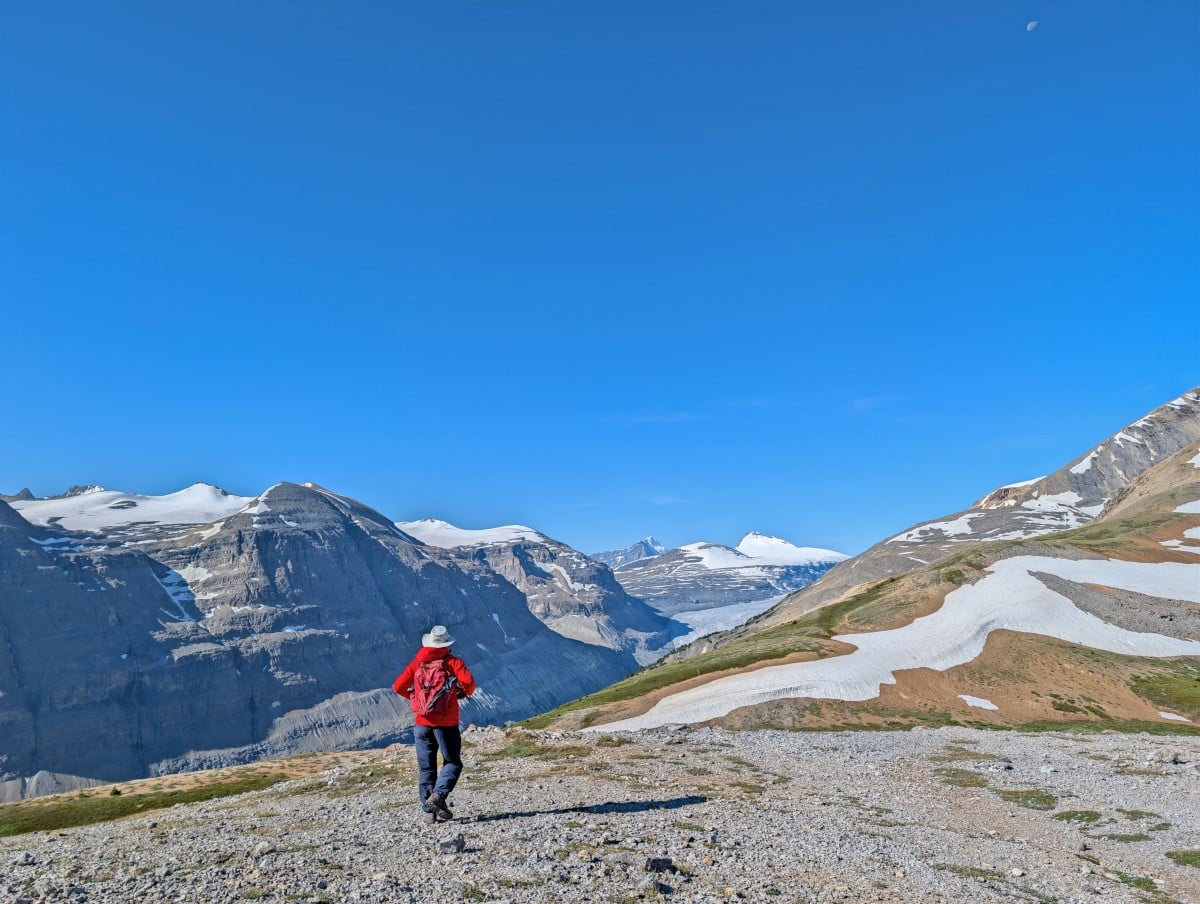
Spend at least one day driving the Icefields Parkway from start to finish. There’s so much to see that you’ll want to start early (9am). On the Jasper side of the Parkway, I’d recommend stopping at Athabasca Falls (above) and Sunwapta Falls (above) as well as the Goats and Glacier Lookout.
For hiking, I’d suggest the Wilcox Pass Trail with views of the Athabasca Glacier and surrounding mountains. Just across the border in Banff National Park, the Parker Ridge Trail is one of the most rewarding short hikes along the Parkway. It’s 5km return and the views are stunning from the start!

Skyline Trail
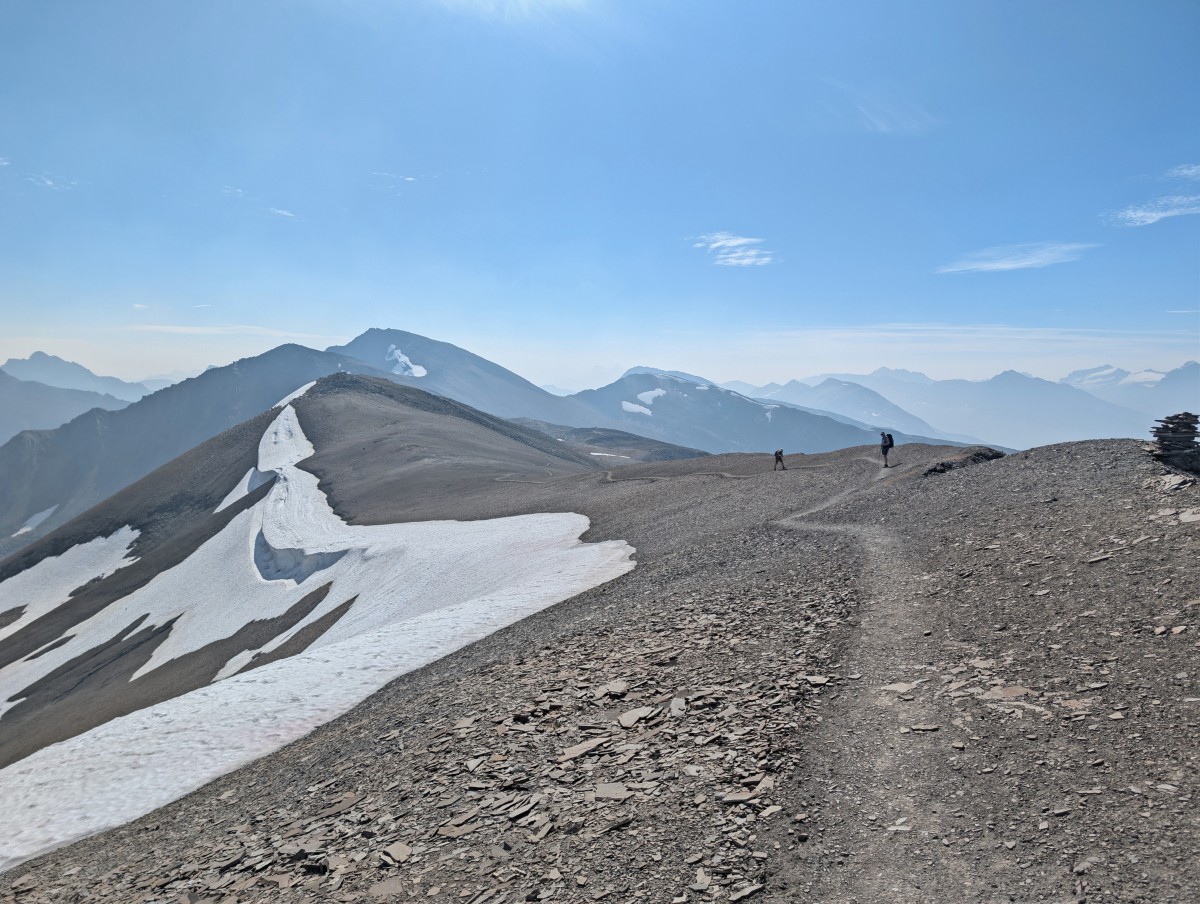
The Skyline Trail is Jasper’s highest and most iconic multi-day hike. And the hype is well earned! After finally getting to hike the Skyline in August 2026, this 44km long trail has easily earned a place in our top 5 of backpacking trips.
Over half of the Skyline is above treeline, which makes for incredible mountain panoramas for hours and hours. In early August, long sections of the path were lined by gorgeous wildflower meadows (the best I’ve ever seen).
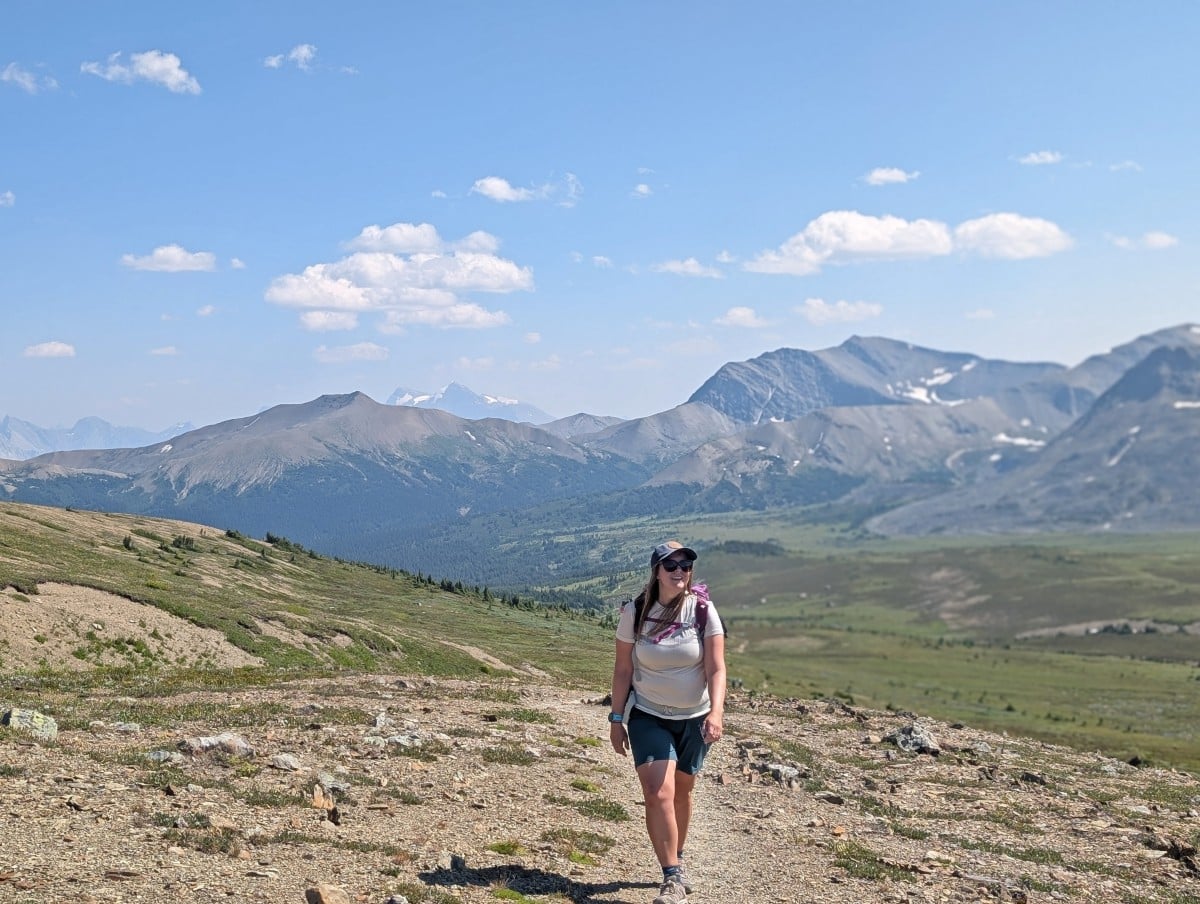
The difficult of the hike is a firm moderate, with 1400m elevation gain over the entire distance. Most hikers break this up over 2 or 3 days, staying at one of the seven campgrounds on or close to the route. Reservations usually open at the end of January – read our full Skyline guide for more details.
Another option is to stay at Shovel Pass Lodge (like we did), which is located around half way. All food and bedding is included. This is a great choice for anyone who doesn’t want to carry camping gear or prefers extra comfort. Personally, I loved skipping the stress of making campground reservations!
Other things to do in Jasper
- Jasper’s food scene favours local ingredients and creativity – explore more of it with the help of Jasper Food Tours. The Downtown Foodie Tour includes four different stops
- Take a trip up to one of Jasper’s most recognisable mountain…the easy way! The SkyTram whisks visitors up to 2263m high Whistlers Peak in just seven minutes
- Jasper is the world’s largest accessible Dark Sky Preserve. Take some time to go stargazing beyond downtown or head to the planetarium
- Did you know that the highest peak in the Rockies is just one hour’s drive from Jasper? Stop by the Visitor Centre, check out Overlander Falls or hike to Kinney Lake (half day)

- While you may get lucky spotting some of Jasper’s most famous residents while exploring, increase your chances by joining a wildlife tour
- When it reopens, Maligne Canyon should be high on your must visit list! This deep gorge has been carved by a fast-moving, turquoise-coloured river, creating dramatic cliffs, waterfalls and narrow channels along the canyon
- The Mount Edith Cavell area is another spectacular part of Jasper to explore when it is accessible again, featuring easy hikes through alpine meadows and the chance to see the dramatic Angel Glacier

Where to stay in Jasper
Jasper has a range of accommodation options, from hotels and inns to B&Bs and campgrounds. However, the 2024 wildfire reduced the town’s accommodation capacity by around 20%, so booking well in advance is important. Two new hotels are also currently under construction.
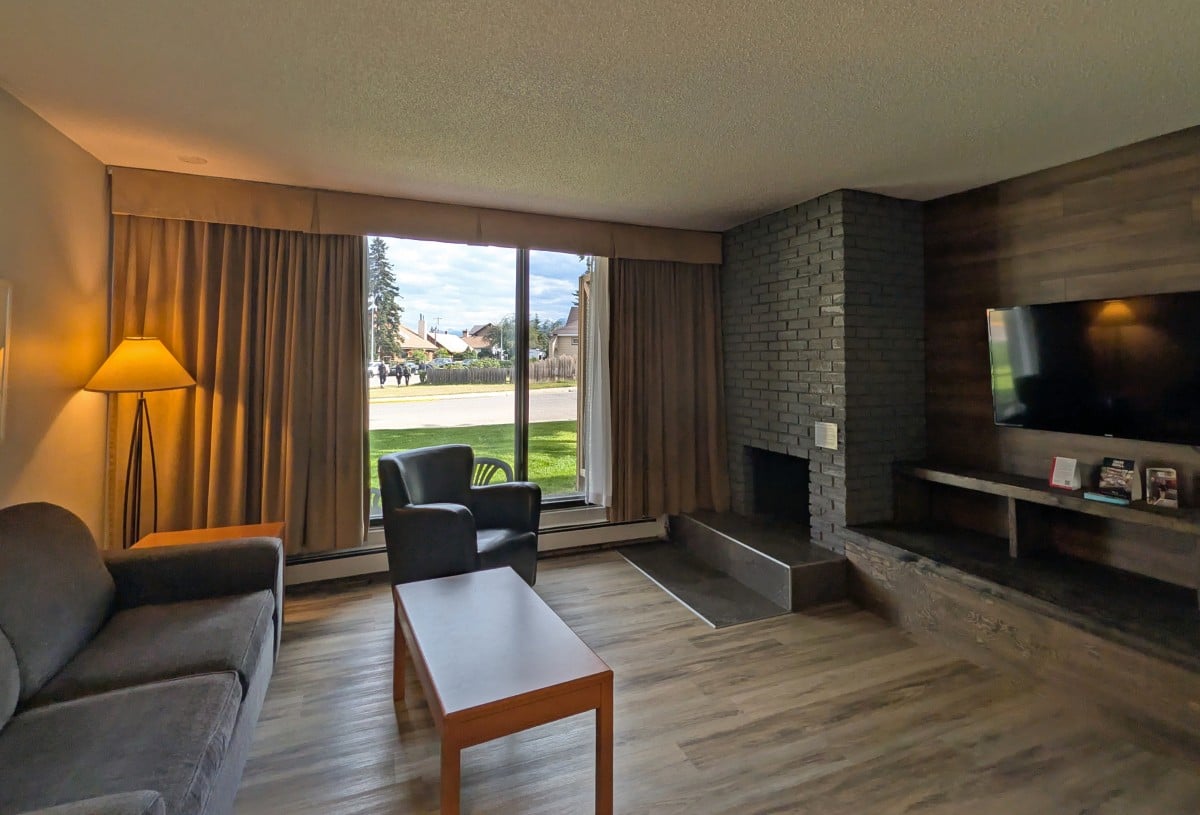
On our most recent trip, we stayed at Jasper Inn & Suites before hiking the Skyline. Our suite had a separate bedroom and full kitchen, making it a good option for two couples looking to save on accommodation and meals. The property is an easy 15 minute walk from downtown.
After the Skyline, we overnighted at the Crimson. This central hotel is wonderfully modern, with comfortable beds and everything we needed for a relaxing night after two days on the trail. The hotel is also home to Terra, a beautiful restaurant that highlights locally farmed and foraged ingredients.
Jasper National Park campgrounds
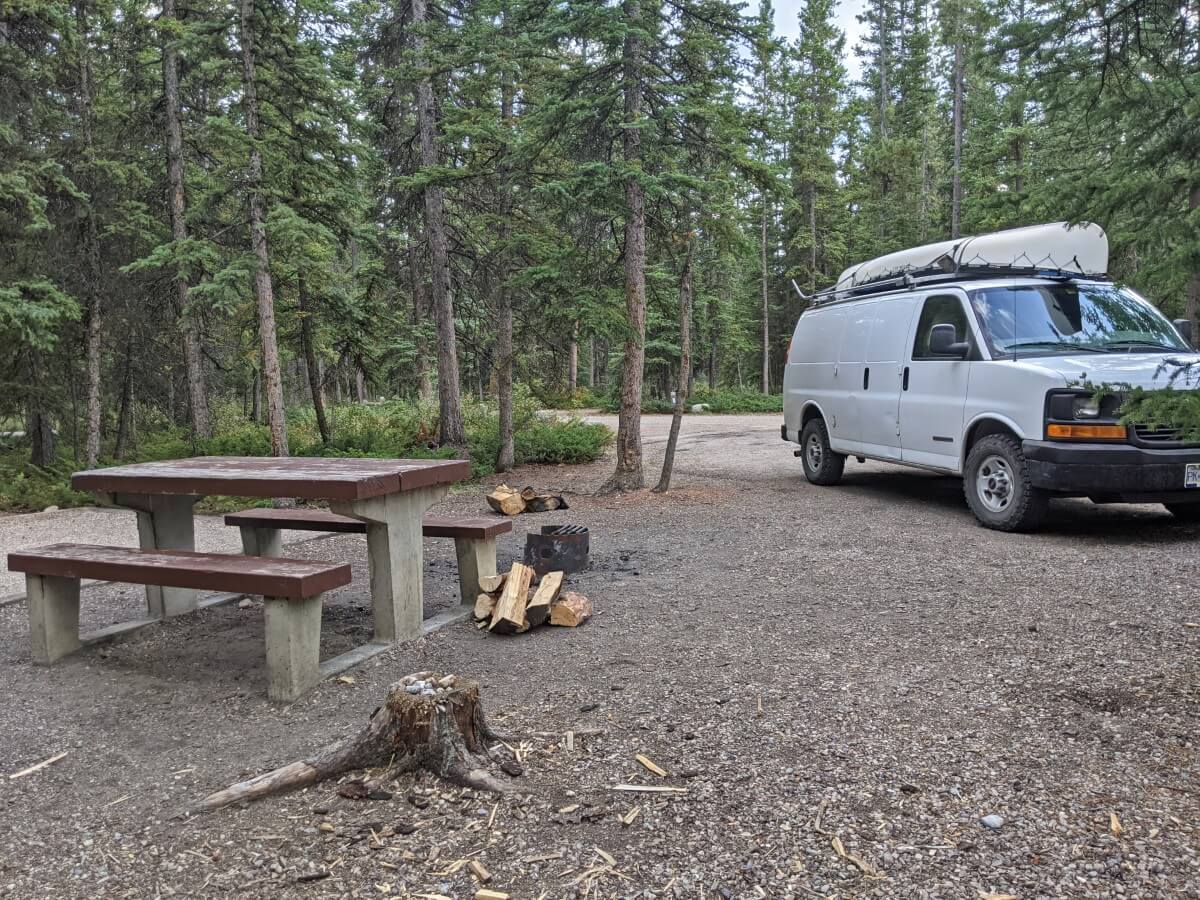
Whistlers Campground is our go-to for frontcountry camping in Jasper National Park. It’s huge, has spacious shower buildings and is only minutes from Jasper Townsite. I also really like that it has areas without firepits – a good money saver and nice when you want to avoid that smoky campfire smell.
Reservations for frontcountry camping in Jasper usually open in late January. If its raining, however, there is a good chance you can score a last minute site (as we last did in 2025). For reservation tips, head to our Parks Canada reservation guide.
Jasper also has a selection of first come, first serve campgrounds. My favourite of these can be found on the Icefields Parkway (Honeymoon Lake, Kerkeslin, Jonas), where solitude is almost guaranteed. The amenities are on the basic side, however.
Snaring is another good option, between Miette Hot Springs and Jasper Townsite. It has a mix of open and forested sites.
Jasper National Park itineraries
Wondering how to fit all these activities, hikes and attractions into your Jasper trip? Check out my one, two and three day Jasper itineraries for ideas on how to make the most of your time in the park!
Two days
Just two days in Jasper? I would spend one day in the Maligne Lake area (cruise or hike, Medicine Lake, Maligne Canyon when it reopens) and then the other on the northern end of the Icefields Parkway (Athabasca Falls, Valley of the Five Lakes, Edith Cavell when it reopens).
If you have spare time in the morning or late afternoon, take a drive to Pyramid Lake for a walk on the island. Keep your eyes peeled for elk. Keen hikers could also fit in the Bald Hills Trail at Maligne Lake and/or the Old Fort Point Loop. Of course, make some time to wander around the Townsite.
This itinerary assumes you will be driving the Icefields Parkway before/after visiting Jasper. If this isn’t the case, I would spend day two driving far as as the the Athabasca Glacier on the Icefields Parkway, also stopping at the Valley of the Five Lakes, Athabasca Falls, Sunwapta Falls).
Three days
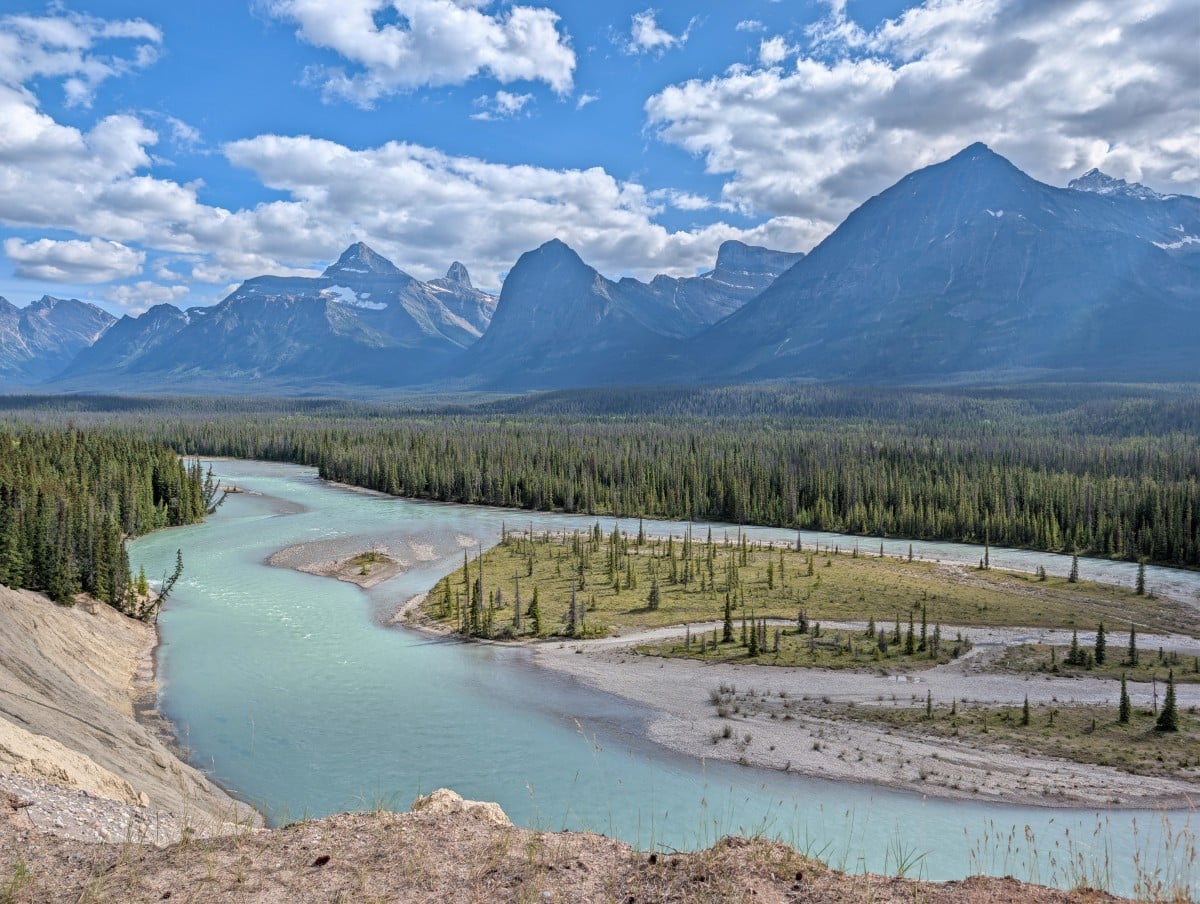
With an extra day, I would head over to Miette Hot Springs. The drive along the Athabasca River is stunning (plan to stop at the viewpoints on the way back).
Hike the Sulphur Skyline Trail or the Source of the Springs Trail. Watch for bighorn sheep in the parking area before a soak in the hot springs.
Back in Jasper, enjoy a trip to Lake Edith or Annette. A cool swim is always welcome on a hot day.
Above above, this itinerary assumes you will be driving the Icefields Parkway before/after visiting Jasper. See relevant note above.
Four days
A fourth day in Jasper is always welcome. Consider joining a tour (food, white water rafting, wildlife watching), enjoying a slower paced day or catching up on any of the sights you may have missed.
Another idea is to drive the Icefields Parkway as far south as the Athabasca Glacier. I would recommend this even if you’re driving the Parkway before or after your trip.
There is SO much to see on the Parkway that dedicating a whole day to the northern section gives you time to stop at the many viewpoints, waterfalls and lakes along the way without feeling rushed. Then, when you drive between Jasper and Banff, you can concentrate on the southern stretch.
Related posts you may find helpful
Canadian Rockies Road Trip Loop: Detailed 9 to 12 day Itineraries + Map
The Best Hot Springs in BC: Complete Guide
Ultimate 2 Week Western Canada Road Trip from Vancouver
The Best Vancouver to Calgary Road Trip Routes: Highway 1 & Alternatives
Baker Lake and the Skoki Loop Hiking Guide, Banff National Park
Check out these recently published posts:

One half of the Canadian/British couple behind Off Track Travel, Gemma is happiest when hiking on the trail or planning the next big travel adventure. JR and Gemma are currently based in the beautiful Okanagan Valley, British Columbia, Canada. Consider buying us a coffee if you have find any of our guides helpful!
Thanks for posting!
We have 3 days to explore Jasper after attending a wedding in Revelstoke. This simple guide was exactly what I was looking for.
Thank you.
Hi Carol,
That is so wonderful to hear, thank you! I hope you have a great time in Jasper.